

The BMW M42 B18 (184S1) is a 1,796 cc, inline — four naturally aspirated petrol engine introduced in 1989 as part of BMW's transition to modern engine management. It features a cast — iron block, aluminium head, dual overhead camshafts (DOHC), and Bosch Motronic 1.3 electronic fuel injection. In standard tune it delivers 98 kW (133 PS), with torque output of 180 Nm, offering responsive and refined performance typical of BMW's engineering philosophy of the era.
Fitted acros…
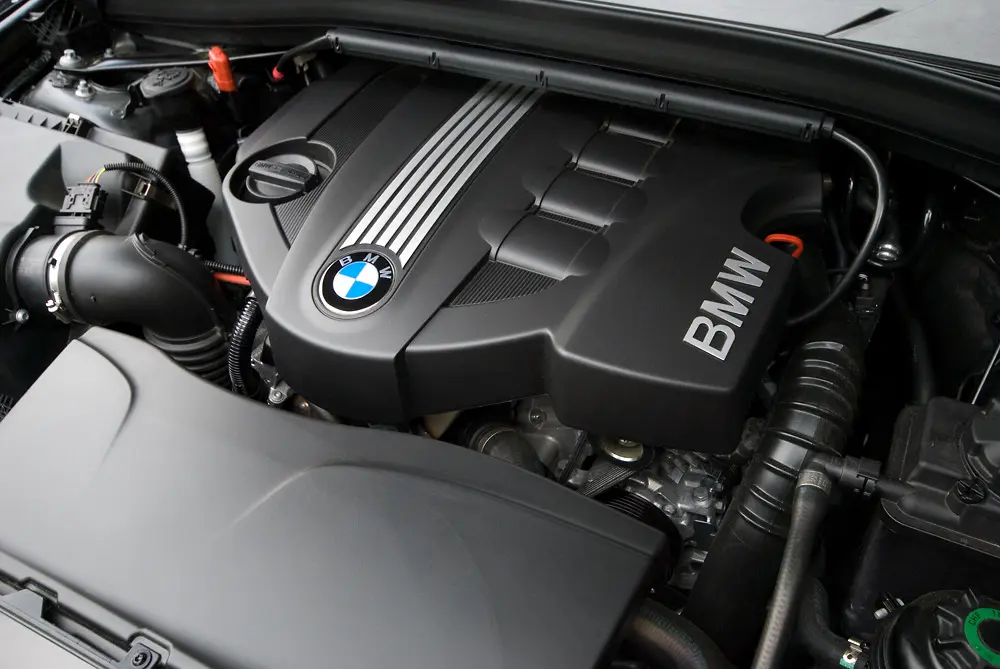
Models from 1992–1996 meet Euro 1 emissions standards (VCA UK Type Approval #VCA/EMS/7901).
The BMW M42 B18 (184S1) is a 1,796 cc inline-four naturally aspirated petrol engine engineered for compact and sporty coupes (1989–1996). It combines DOHC valvetrain with electronic fuel injection to deliver high-revving performance and driver engagement. Designed to meet evolving emissions standards, it balances mechanical sophistication with serviceability.
| Parameter | Value | Source |
|---|---|---|
Displacement | 1,796 cc | |
Fuel type | Petrol | |
Configuration | Inline-4, DOHC, 16-valve | |
Aspiration | Naturally aspirated | |
Bore × stroke | 84.0 mm × 81.2 mm | |
Power output | 98 kW (133 PS) @ 6,000 rpm | |
Torque | 180 Nm @ 4,700 rpm | |
Fuel system | Bosch Motronic 1.3 electronic fuel injection | |
Emissions standard | Euro 1 (1992–1996) | |
Compression ratio | 10.8:1 | |
Cooling system | Water-cooled with mechanical thermostat | |
Turbocharger | None | |
Timing system | Chain (single-row, front-mounted) | |
Oil type | SAE 10W-40 mineral or 5W-40 synthetic | |
Dry weight | 145 kg |
The BMW M42 B18 (184S1) was used across BMW's E30 platform with longitudinal mounting and RWD layout. This engine received platform-specific adaptations—revised intake manifolds in the E30 LCI and dual-exhaust setup in performance variants—and from 1992 the facelifted E30 models adopted catalytic converters to meet Euro 1, creating interchange limits. No licensed or shared-production partnerships existed for this engine. All adaptations are documented in OEM technical bulletins.
The M42 B18 (184S1)'s primary concern is timing chain wear due to oil starvation at the upper guide. UK DVLA and MOT records indicate that poorly maintained examples often fail on emissions or idle quality, while well-serviced engines regularly exceed 200,000 km. Cold-start performance and idle stability are most affected by neglected fuel and ignition systems.
Analysis derived from BMW technical bulletins (1990s), UK DVSA MOT failure statistics (2018-2024), and restoration guides. Repair procedures should follow manufacturer guidelines.
The most common questions about engine codes, what they mean, how to find them and how this database works
Yes, with caveats. The M42 B18 is mechanically robust and known for longevity when properly maintained. Its DOHC design and Motronic injection offer excellent performance. However, the timing chain system requires attention, especially on pre-1991 models. Regular oil changes, cooling system service, and attention to the chain system ensure decades of reliable operation. Many examples exceed 200,000 km with basic maintenance.
The most common issue is timing chain wear due to oil starvation at the upper guide. Other concerns include vacuum leaks, cooling system failures, and oil leaks from the valve cover and rear main seal. These are well-documented in BMW service bulletins and classic car maintenance guides.
This 1.8L petrol was used in the E30 3 Series (318i) from 1989–1996. It was phased out with the introduction of the M44 engine family. All late models (1992–1996) meet Euro 1 emissions with catalytic converters.
Yes. The M42 responds well to tuning. Common upgrades include performance camshafts, high-flow exhaust manifolds, and chip upgrades for the Motronic ECU. Stage 1 modifications can gain +15–25 kW. The strong bottom end handles mild increases well. Enthusiasts often pair it with 5-speed manual swaps and limited-slip differentials for enhanced driving dynamics.
Moderate for its era. In a BMW 318i (E30) from 1990, typical consumption is ~10.0 L/100km (city) and ~6.5 L/100km (highway), or about 33 mpg UK combined. Real-world figures depend on driving style and condition, but expect 30-35 mpg (UK) for a well-tuned example.
Yes. The M42 B18 is an interference engine. If the timing chain fails, the pistons will strike the open valves, causing catastrophic internal damage. This makes proper maintenance of the chain system critical.
BMW recommends SAE 10W-40 mineral oil for older models or 5W-40 synthetic for year-round use. Change oil every 7,500 km. Use high-quality oil meeting API SL/CF standards to protect the timing chain and hydraulic lifters.
Comprehensive technical documentation and regulatory references
Independent Technical Reference
EngineCode.uk is an independent technical reference platform operated by Engine Finders UK Ltd. We are not affiliated with BMW or any other manufacturer. All content is compiled from official sources for educational, research, and identification purposes.
Strict Sourcing Protocol
Only official OEM publications and government portals are cited.
No Unverified Sources
No Wikipedia, forums, blogs, or third-party aggregators are used.
Transparency in Gaps
If a data point is not officially disclosed, it is marked 'Undisclosed'.
Regulatory Stability
EU regulations are referenced using CELEX identifiers for long-term stability.
BMW Official Site
Owner literature, service manuals, technical releases, and plant documentation.
EUR-Lex
EU emissions and type-approval regulations (e.g., CELEX:32007R0715, CELEX:32017R1151).
GOV.UK: Vehicle Approval & V5C
UK vehicle approval processes, import rules, and MoT guidance.
DVLA: Engine Changes & MoT
Official guidance on engine swaps and inspection implications.
Vehicle Certification Agency (VCA)
UK type-approval authority for automotive products.
Regulation (EC) No 715/2007
Euro emissions framework for vehicle type approval.
Commission Regulation (EU) 2017/1151
WLTP and RDE testing procedures for emissions certification.
GOV.UK: Vehicle Approval
UK compliance and certification requirements for imported and modified vehicles.
VCA Certification Portal
Type-approval guidance and documentation.
Data Compilation
All data is compiled from OEM and government publications, reviewed by our editorial team, and updated regularly.
Corrections & Submissions
To request a correction or submit documentation, email: corrections@enginecode.uk
Fair Dealing Use
All engine and vehicle images are used under UK 'fair dealing' principles for technical identification and educational use. Rights remain with their respective owners.
Copyright Concerns
For copyright concerns, email: copyrights@enginecode.uk
GDPR Compliance
EngineCode.uk complies with UK GDPR. We do not collect personal data unless explicitly provided.
Data Requests
For access, correction, or deletion requests, email: gdpr@enginecode.uk
Trademark Notice
All trademarks, logos, and engine codes are the property of their respective owners. Use on this site is strictly for reference and identification.
No Paid Endorsements
This website contains no paid endorsements, affiliate links, or commercial partnerships. We do not sell parts or services.
Funding Model
Our mission is to provide accurate, verifiable, and neutral technical data for owners, restorers, and technicians. This site is self-funded.
All specifications and compatibility data verified against officialBMW documentation and EU/UK regulatory texts. Where official data is unavailable, entries are marked “Undisclosed”.
All external links open in new tabs. Please verify current availability of resources.