


Covers Daewoo petrol and diesel engines used across UK and European models - from the compact Matiz to the Nubira and Leganza. Each engine code includes specifications, compatible vehicles, and emissions data, sourced from official Daewoo and EU records.
Data sourced from Daewoo Service Manuals, EU Regulation (EC) No 715/2007, and Daewoo Technical Service Information documents.
Find Daewoo engine codes by family, model, or generation

| Engine Code | Fuel Type | Series | Specifications |
|---|---|---|---|
| Petrol | A-Series | View Specs | |
| Petrol | A-Series | View Specs | |
| Petrol | A-Series | View Specs | |
| Petrol | A-Series | View Specs | |
| Petrol | A-Series | View Specs | |
| Petrol | A-Series | View Specs | |
| Petrol | B-Series | View Specs | |
| Petrol | B-Series | View Specs | |
| Petrol | B-Series | View Specs | |
| Petrol | B-Series | View Specs | |
| Petrol | B-Series | View Specs | |
| Petrol | C-Series | View Specs | |
| Petrol | C-Series | View Specs | |
| Petrol | C-Series | View Specs | |
| Petrol | C-Series | View Specs | |
| Petrol | C-Series | View Specs | |
| Petrol | C-Series | View Specs | |
| Petrol | C-Series | View Specs | |
| Petrol | C-Series | View Specs | |
| Petrol | C-Series | View Specs | |
| Petrol | C-Series | View Specs | |
| Petrol | D-Series | View Specs | |
| Diesel | D-Series | View Specs | |
| Diesel | D-Series | View Specs | |
| Diesel | D-Series | View Specs | |
| Petrol | D-Series | View Specs | |
| Petrol | F-Series | View Specs | |
| Petrol | F-Series | View Specs | |
| Petrol | F-Series | View Specs | |
| Petrol | F-Series | View Specs | |
| Petrol | F-Series | View Specs | |
| Petrol | F-Series | View Specs | |
| Petrol | F-Series | View Specs | |
| Diesel | F-Series | View Specs | |
| Petrol | F-Series | View Specs | |
| Petrol | F-Series | View Specs | |
| Petrol | F-Series | View Specs | |
| Diesel | F-Series | View Specs | |
| Diesel | F-Series | View Specs | |
| Diesel | F-Series | View Specs | |
| Petrol | F-Series | View Specs | |
| Petrol | F-Series | View Specs | |
| Petrol | G-Series | View Specs | |
| Petrol | G-Series | View Specs | |
| Petrol | G-Series | View Specs | |
| Petrol | H-Series | View Specs | |
| Petrol | H-Series | View Specs | |
| Diesel | H-Series | View Specs | |
| Petrol | L-Series | View Specs | |
| Gasoline | L-Series | View Specs | |
| Petrol | L-Series | View Specs | |
| Petrol | L-Series | View Specs | |
| Petrol | L-Series | View Specs | |
| Petrol | L-Series | View Specs | |
| Petrol | L-Series | View Specs | |
| Petrol | L-Series | View Specs | |
| Diesel | LDT-Series | View Specs | |
| Petrol | LMU-Series | View Specs | |
| Diesel | LW-Series | View Specs | |
| Gasoline | LX-Series | View Specs | |
| Petrol | LX-Series | View Specs | |
| Petrol | T-Series | View Specs | |
| Diesel | T-Series | View Specs | |
| Petrol | X-Series | View Specs | |
| Petrol | X-Series | View Specs | |
| Petrol | X-Series | View Specs | |
| Petrol | Z-Series | View Specs |

See where Daewoo power drives other GM brands.
Engine specifications and technical data sourced from Daewoo Technical Documentation and EU Vehicle Type Approval Database. All specifications are verified against official Daewoo service documentation.
The engine code is essential for ordering parts, diagnosing issues, and verifying compatibility. It is not the same as the VIN or chassis number. This guide shows exactly where to find it - by model and engine type - using official Daewoo and DVLA sources
A unique identifier stamped on the engine block or cover used for parts and service.
The vehicle identification number that holds encoded vehicle and engine information.
The chassis or frame number used for registration and legal identification.
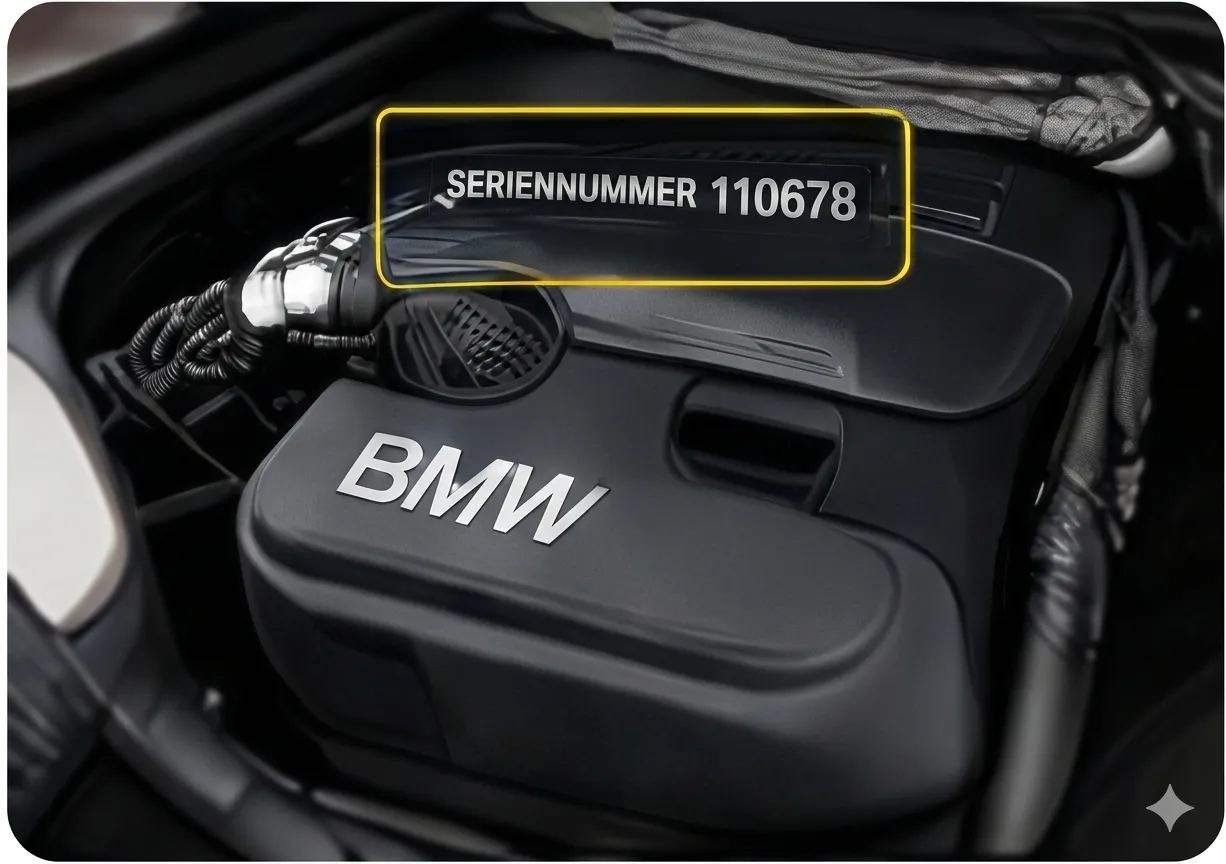
Locate the engine code on the cylinder head, near the camshaft cover. It is stamped into the metal or on a label near the valve cover.
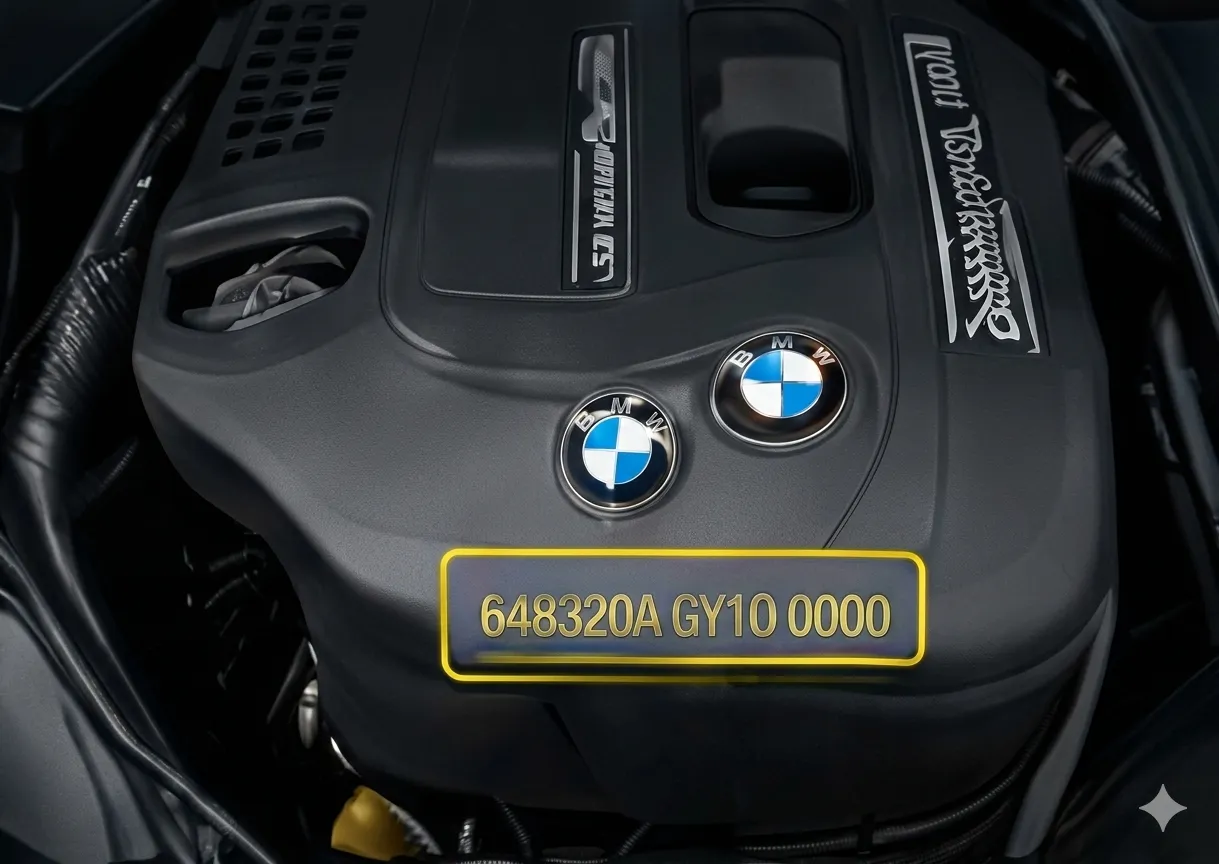
The engine code is located on the timing cover, visible from the front of the engine. Look for 'A15SMS' casting or label.
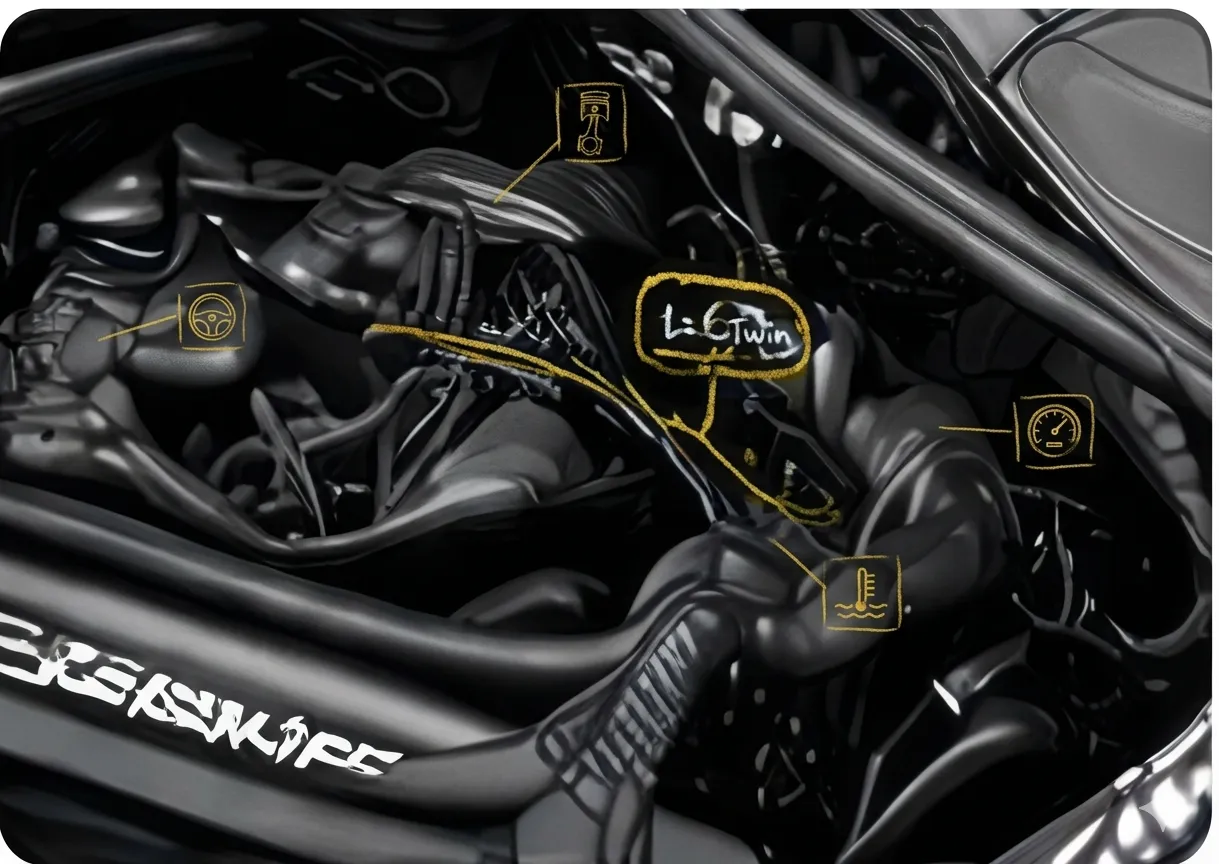
Open the hood and look at the engine block near the transmission bell housing. The code is cast into the block or on a label.
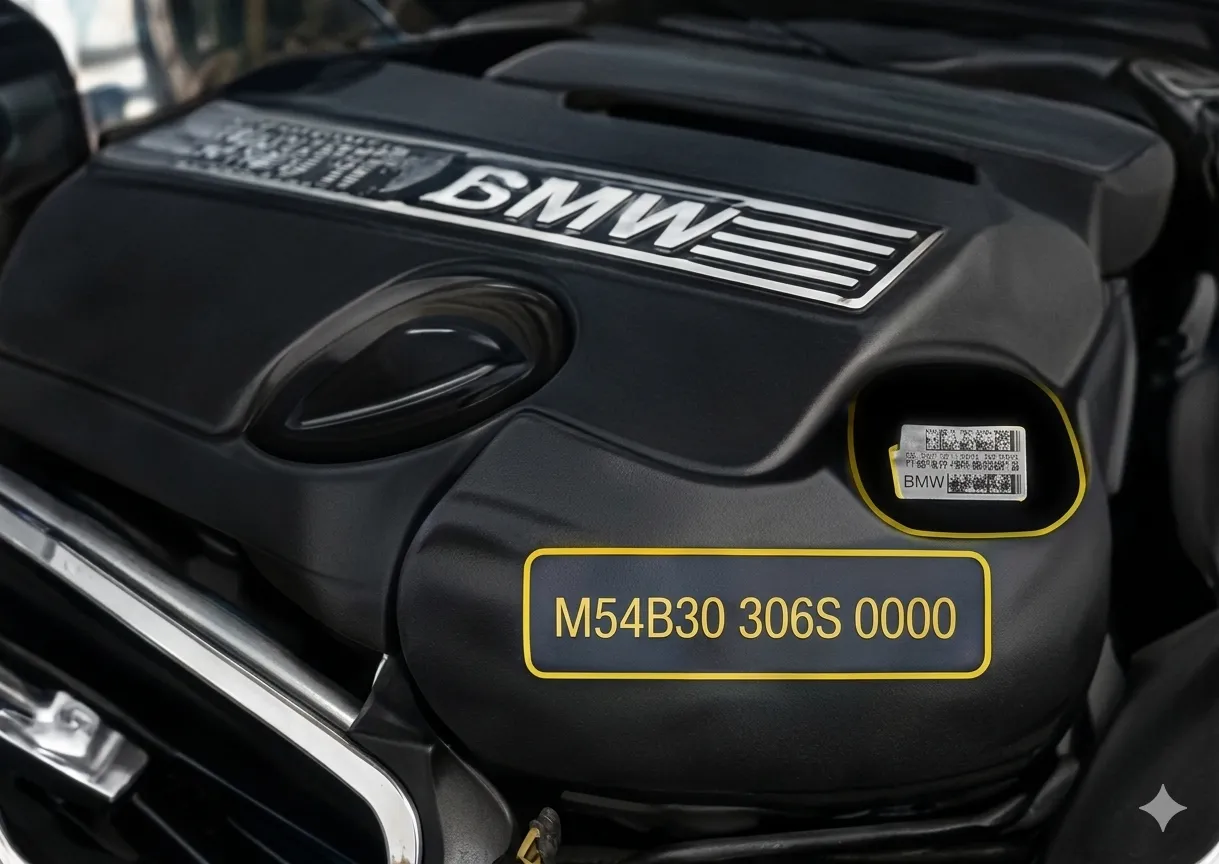
The engine code is stamped on the cylinder head near the thermostat housing. Look for 'X22XE' or similar designation.
Engine code locations per Daewoo Service Manual. V5C field definitions from DVLA Guide to Vehicle Registration. VIN structure compliant with EU Regulation (EC) No 715/2007, Article 7.
A technical breakdown of Daewoo's core engine systems including fuel injection, timing architectures and common reliability impacts. All data sourced from Daewoo Service Manuals and EU Regulation (EC) No 715/2007
Daewoo engines use multi-point fuel injection (MPFI) systems for precise fuel delivery and emissions control across the A, F, and X series.
Electronic fuel injectors mounted in the intake manifold deliver metered fuel to each cylinder. The ECU controls injection timing and duration based on sensor inputs.

A10SMS (1998)
Basic electronic injection
A15SMS (1997)
Enhanced fuel mapping
F16D3 (2004)
Variable intake system
Injector clogging
especially on high-mileage units
Fuel pressure regulator failure
causes rich/lean running
MAP sensor issues
affects fuel trimming
Daewoo engines use multi-point fuel injection (MPFI) systems for precise fuel delivery and emissions control across the A, F, and X series.
Electronic fuel injectors mounted in the intake manifold deliver metered fuel to each cylinder. The ECU controls injection timing and duration based on sensor inputs.
A10SMS (1998)
Basic electronic injection
A15SMS (1997)
Enhanced fuel mapping
F16D3 (2004)
Variable intake system
Injector clogging
especially on high-mileage units
Fuel pressure regulator failure
causes rich/lean running
MAP sensor issues
affects fuel trimming
All technical descriptions and failure data sourced from Daewoo Service Information, Technical Service Bulletins, and EU Regulation (EC) No 715/2007 on vehicle type-approval.
Track BMW engineering across decades
Foundation years with basic engine designs for compact vehicles.

Early small-displacement engine establishing Daewoo's entry into compact car market with simple carbureted design.
Engine production years verified via Daewoo Production Records and EU type-approval records
Authoritative data on Daewoo's engine production, plant operations, and strategic partnerships. All figures sourced from Daewoo Production Records and EU industrial compliance records.
Daewoo manufactured engines at primary facilities in South Korea and Poland.


Daewoo engine production declined after GM acquisition in 2001, with complete transition to Chevrolet branding by 2011.
Note: Production declined following GM acquisition in 2001. Daewoo brand phased out in Europe by 2011, replaced by Chevrolet.
General Motors acquired Daewoo Motors in 2001. Daewoo engines continued production under Chevrolet branding, with technology shared across GM platforms.
Daewoo engines used across Chevrolet, Suzuki, and Holden models
Engines continued production under GM ownership with minimal changes
GM Corporate Records - Daewoo Acquisition
Daewoo focused primarily on petrol engines with minimal diesel offerings.
Daewoo focused exclusively on conventional petrol engines with minimal diesel options for European compliance.
Engine production data verified via Daewoo Production Records and EU type-approval documents
The most common questions about engine codes, what they mean, how to find them and how this database works
A Daewoo engine code (e.g., A10SMS, A15SMS, X20SED) identifies the engine family, displacement, and fuel system. A-series: Small displacement (0.8-1.5L). F-series: Mid-range (1.5-2.0L). X-series: Larger engines (2.0L+). Suffix indicates fuel system and variant. Source: Daewoo Service Manual
Daewoo engines are generally simple and reliable with proper maintenance. The A-series engines are known for durability but require regular timing belt changes every 60,000 miles. Common issues include cooling system problems and oil leaks on higher-mileage units.
All Daewoo engines use timing belts requiring replacement every 60,000-80,000 miles. This includes A10SMS, A15SMS, F16D3, and X-series engines. These are interference engines - belt failure causes catastrophic damage.
Daewoo typically recommends 10W-40 or 15W-40 semi-synthetic oil for petrol engines, changed every 10,000 miles or annually. Diesel engines may use 5W-30 fully synthetic. Always check your specific engine manual for exact specifications.
On the A10SMS engine, the code is stamped on the cylinder head near the camshaft cover. Also check the V5C logbook under 'Engine Number' field for the registered engine code.
With proper maintenance, Daewoo engines can last 150,000-200,000 miles. Regular timing belt changes, oil changes every 10,000 miles, and cooling system maintenance are critical for longevity.
Yes, all Daewoo engines are interference engines. If the timing belt fails, pistons will collide with valves causing severe engine damage. Always replace timing belt at recommended intervals.
Common issues include: timing belt tensioner failure, water pump leaks, thermostat sticking, oil leaks from camshaft seals, EGR valve clogging (later models), and cooling system airlocks.
Yes, many Daewoo engines were continued under Chevrolet branding after GM's 2001 acquisition. A10SMS, A15SMS, and F16D3 engines are compatible with Chevrolet Spark, Aveo, and Lacetti parts.
On the UK V5C registration document, look for the 'Engine Number' field (not VIN). This matches the engine code (e.g., A10SMS, A15SMS). If the engine was replaced, this may not reflect the current unit.
A10SMS: 0.8L 3-cylinder (Matiz 1998-2005). A12SMS: 1.0L 4-cylinder (Matiz 2002-2008). The A12SMS offers more power and refinement but slightly higher fuel consumption.
Later Daewoo engines (Euro 4 compliant) like the F16D3 and some A15SMS variants have EGR valves. These can clog with carbon buildup causing rough idle and reduced performance.
Yes, but must be declared to DVLA. Changing engine code may affect MoT, insurance, and emissions compliance. Ensure the replacement engine meets at least the same Euro emissions standard.
The A15SMS engine firing order is 1-3-4-2. This is standard for inline-4 Daewoo engines. Incorrect firing order causes severe running issues and potential engine damage.
Use Daewoo Service Manuals or GM Technical Information System (TIS) for post-2001 models. Public data also available in EU type-approval documents. Source: EU Regulation (EC) No 715/2007
The EngineCode.uk is an independent technical resource dedicated to providing accurate, non-commercial engine data for BMW and related powertrains. This section outlines our sources, disclaimers, and compliance policies in accordance with Google's E-E-A-T (Experience, Expertise, Authoritativeness, Trustworthiness) guidelines.
EngineCode.uk is operated by Engine Finders UK Ltd as a standalone reference platform. We are not affiliated with Daewoo Motors, General Motors, Chevrolet, or any other manufacturer or trademark holder. All content is created independently for educational and diagnostic purposes only. The Daewoo name and engine codes are trademarks of their respective owners.
All engine and vehicle images used on this site are for technical identification and educational purposes under fair use principles. If you believe any image infringes your copyright, please contact us at copyrights@enginecode.uk. We will review the claim promptly and remove or license the content as required.
EngineCode.uk complies with the UK General Data Protection Regulation (UK GDPR) and the EU GDPR. We do not collect personal data through this platform unless explicitly provided (e.g., contact forms).
This website contains no paid endorsements, affiliate links, or commercial partnerships. We do not sell parts, services, or recommendations. Our mission is to provide accurate, verifiable, and neutral technical data to support vehicle owners, restorers, and technicians across the UK and Europe.
Information accurate as of 2025