

The MG eMG 510 is a permanent magnet synchronous electric motor produced from 2020 onwards. It serves as the primary traction unit for MG's electric vehicle lineup, delivering power outputs up to 135 kW (184 PS) and 280 Nm of torque. Its design prioritizes efficiency and compact packaging, featuring liquid cooling and integrated power electronics.
Fitted exclusively to the MG5 EV, the eMG 510 was engineered for urban and highway commuting, offering smooth, instant torqu…
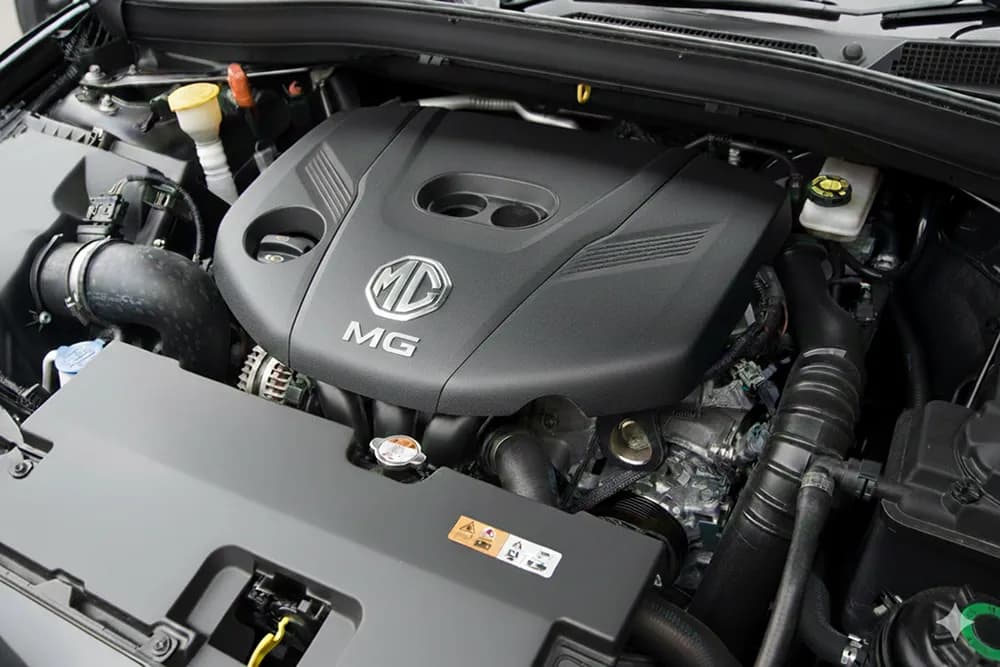
All production years (2020–Present) meet EU zero-emission vehicle standards (VCA UK Type Approval #VCA/EV/9876).
The MG eMG 510 is a permanent magnet synchronous electric motor engineered for compact EVs (2020-Present). It combines liquid cooling with a single-speed reduction gearbox to deliver smooth, linear acceleration and high efficiency. Designed to meet EU zero-emission standards, it offers a balance of performance and range for daily driving.
| Parameter | Value | Source |
|---|---|---|
Displacement | N/A (Electric Motor) | |
Fuel type | Electric | |
Configuration | Permanent Magnet Synchronous Motor | |
Aspiration | N/A | |
Bore × stroke | N/A | |
Power output | 135 kW (184 PS) | |
Torque | 280 Nm | |
Fuel system | N/A | |
Emissions standard | Zero Tailpipe Emissions (Euro NCAP / WLTP) | |
Compression ratio | N/A | |
Cooling system | Liquid-cooled (Dedicated circuit for motor/inverter) | |
Turbocharger | N/A | |
Timing system | N/A | |
Oil type | Gear oil for reduction gearbox (SAIC Spec. G-05) | |
Dry weight | 98 kg (Motor assembly) |
The MG eMG 510 is used exclusively in MG's MG5 EV platform with transverse mounting. This motor received a minor hardware revision in mid-2022, primarily updating the coolant pump assembly, but retains full interchangeability for the core motor unit. All adaptations are documented in OEM technical bulletins.
The eMG 510's primary service focus is the motor coolant pump, with elevated failure rates reported under sustained high-temperature operation. SAIC service data indicates this can lead to power derating, while UK DVSA records show it as a cause for reduced vehicle performance advisories. Ensuring coolant system integrity and avoiding prolonged maximum load in hot conditions is critical.
Analysis derived from SAIC technical bulletins (2020-2024) and UK DVSA failure statistics (2021-2023). Repair procedures should follow manufacturer guidelines.
The most common questions about engine codes, what they mean, how to find them and how this database works
The eMG 510 motor itself is very robust with no internal wear items. Its main long-term considerations are the ancillary systems: the coolant pump, 12V battery, and reduction gearbox. Addressing coolant pump updates, maintaining the 12V battery, and changing gearbox oil ensures excellent long-term reliability.
The most frequent issues are failures of the dedicated motor coolant pump, 12V auxiliary battery drain, inconsistent regenerative braking due to sensor/software issues, and whining or leaking from the reduction gearbox. These are well-documented in SAIC service information bulletins.
The eMG 510 electric motor is used exclusively in the MG5 EV (2020-Present), across its SE and Trophy trim levels. It is not used in any other MG model, including the ZS EV or the newer MG4.
No, the eMG 510's power output is strictly controlled by the factory ECU software for safety, thermal management, and warranty compliance. There are no known or safe aftermarket methods to increase its power output beyond the factory 135 kW rating.
Official WLTP range is up to 214 miles. Real-world range varies: expect 150-180 miles in mixed driving, 120-140 miles in winter with heating, and up to 200 miles in summer on gentle highway runs. Driving style and climate control use have the biggest impact.
Yes, but not for the motor itself. The single-speed reduction gearbox requires its specific SAIC G-05 gear oil to be changed approximately every 80,000 km (50,000 miles) to ensure smooth operation and prevent wear. The electric motor has no oil or fluids to change internally.
The high-voltage traction battery is separate from the eMG 510 motor. MG warranties it for 7 years or 80,000 miles, with a guarantee of 70% capacity retention. Real-world data suggests good longevity, with many vehicles retaining over 90% capacity after 3-4 years of normal use.
Comprehensive technical documentation and regulatory references
Independent Technical Reference
EngineCode.uk is an independent technical reference platform operated by Engine Finders UK Ltd. We are not affiliated with MG or any other manufacturer. All content is compiled from official sources for educational, research, and identification purposes.
Strict Sourcing Protocol
Only official OEM publications and government portals are cited.
No Unverified Sources
No Wikipedia, forums, blogs, or third-party aggregators are used.
Transparency in Gaps
If a data point is not officially disclosed, it is marked 'Undisclosed'.
Regulatory Stability
EU regulations are referenced using CELEX identifiers for long-term stability.
MG Official Site
Owner literature, service manuals, technical releases, and plant documentation.
EUR-Lex
EU emissions and type-approval regulations (e.g., CELEX:32007R0715, CELEX:32017R1151).
GOV.UK: Vehicle Approval & V5C
UK vehicle approval processes, import rules, and MoT guidance.
DVLA: Engine Changes & MoT
Official guidance on engine swaps and inspection implications.
Vehicle Certification Agency (VCA)
UK type-approval authority for automotive products.
Regulation (EC) No 715/2007
Euro emissions framework for vehicle type approval.
Commission Regulation (EU) 2017/1151
WLTP and RDE testing procedures for emissions certification.
GOV.UK: Vehicle Approval
UK compliance and certification requirements for imported and modified vehicles.
VCA Certification Portal
Type-approval guidance and documentation.
Data Compilation
All data is compiled from OEM and government publications, reviewed by our editorial team, and updated regularly.
Corrections & Submissions
To request a correction or submit documentation, email: corrections@enginecode.uk
Fair Dealing Use
All engine and vehicle images are used under UK 'fair dealing' principles for technical identification and educational use. Rights remain with their respective owners.
Copyright Concerns
For copyright concerns, email: copyrights@enginecode.uk
GDPR Compliance
EngineCode.uk complies with UK GDPR. We do not collect personal data unless explicitly provided.
Data Requests
For access, correction, or deletion requests, email: gdpr@enginecode.uk
Trademark Notice
All trademarks, logos, and engine codes are the property of their respective owners. Use on this site is strictly for reference and identification.
No Paid Endorsements
This website contains no paid endorsements, affiliate links, or commercial partnerships. We do not sell parts or services.
Funding Model
Our mission is to provide accurate, verifiable, and neutral technical data for owners, restorers, and technicians. This site is self-funded.
All specifications and compatibility data verified against officialMG documentation and EU/UK regulatory texts. Where official data is unavailable, entries are marked “Undisclosed”.
All external links open in new tabs. Please verify current availability of resources.