


Covers Lexus petrol and hybrid engines used across UK and European models - from early V8s to modern Hybrid Synergy Drive systems. Each engine code includes specifications, compatible vehicles, and emissions data, sourced from official Lexus and EU records.
Data sourced from Lexus Technical Information System (TIS), EU Regulation (EC) No 715/2007, and Toyota/Lexus Service Documentation.
Find Lexus engine codes by family, model, or generation

| Engine Code | Fuel Type | Series | Specifications |
|---|---|---|---|
| Petrol | 1g Fe | View Specs | |
| Petrol | 1mz Fe | View Specs | |
| Petrol | 1ur Fse | View Specs | |
| Petrol | 1uz Fe | View Specs | |
| Petrol | 2gr Fe | View Specs | |
| Petrol | 2gr Fks | View Specs | |
| Petrol | 2gr Fse | View Specs | |
| Petrol | 2gr Fxe | View Specs | |
| Petrol | 2jz Ge | View Specs | |
| Petrol | 2ur Gse | View Specs | |
| Petrol | 3gr Fse | View Specs | |
| Petrol | 3s Fe | View Specs | |
| Petrol | 3s Ge | View Specs | |
| Petrol | 3ur Fe | View Specs | |
| Petrol | 3uz Fe | View Specs | |
| Petrol | 4gr Fse | View Specs | |
| Petrol | 4s Fe | View Specs | |
| Petrol | 4ur Fe | View Specs | |
| Petrol | 5ur Fe | View Specs | |
| Petrol | 8ar Fts | View Specs | |
| Petrol | 8ar Fts Twin Turbo | View Specs | |
| Petrol | A-Series | View Specs | |
| Petrol | A-Series | View Specs | |
| Petrol | A-Series | View Specs | |
| Petrol | AC-Series | View Specs | |
| Petrol | FA-Series | View Specs | |
| Petrol | G-Series | View Specs | |
| Petrol | V-Series | View Specs |

Explore Lexus's Hybrid Synergy Drive technology.
Engine specifications and technical data sourced from Lexus Technical Documentation and EU Vehicle Type Approval Database. All specifications are verified against official Lexus service documentation.
The engine code is essential for ordering parts, diagnosing issues, and verifying compatibility. It is not the same as the VIN or chassis number. This guide shows exactly where to find it - by model and engine type - using official Lexus and DVLA sources

A unique identifier stamped on the engine block or cover used for parts and service.
The vehicle identification number that holds encoded vehicle and engine information.

The chassis or frame number used for registration and legal identification.
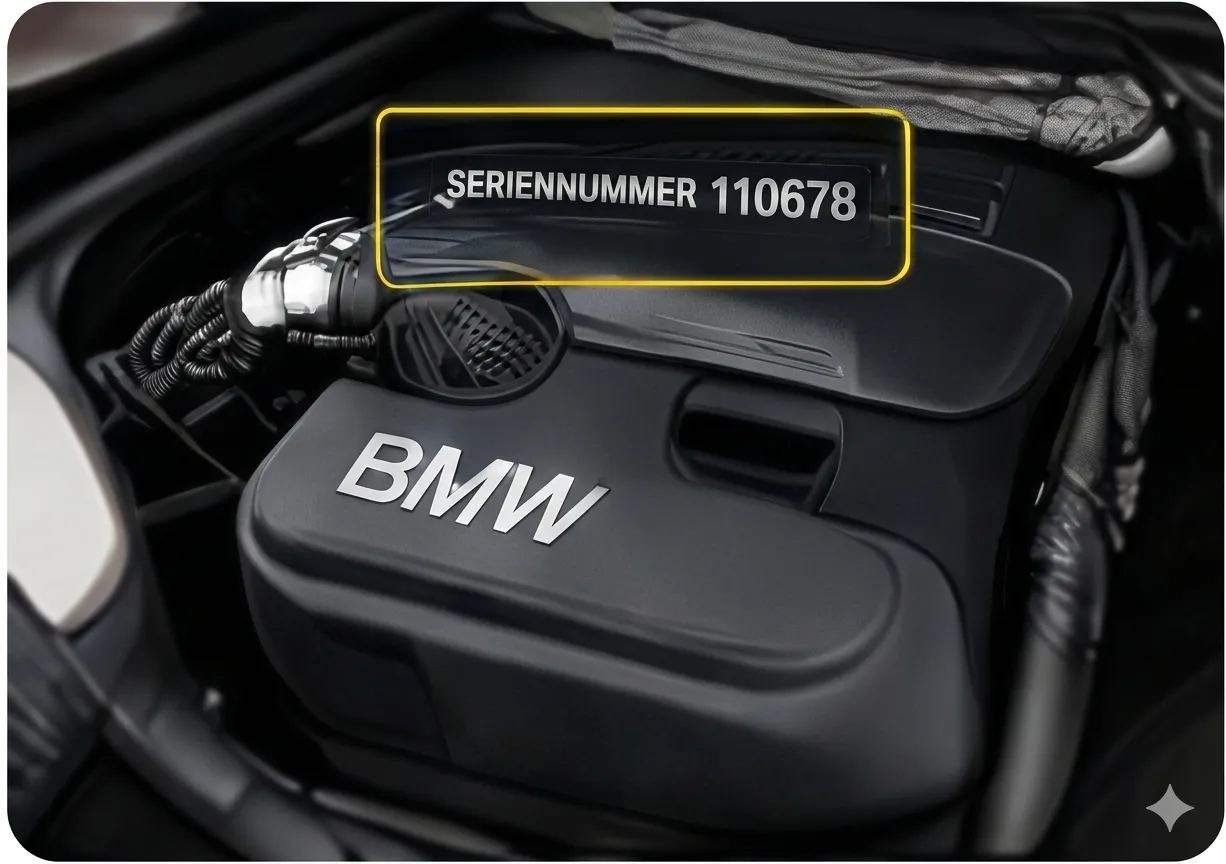
Locate the engine code on the front timing cover, near the intake manifold. It is stamped into the metal or on a white label. The code reads '2ZR-FXE'.
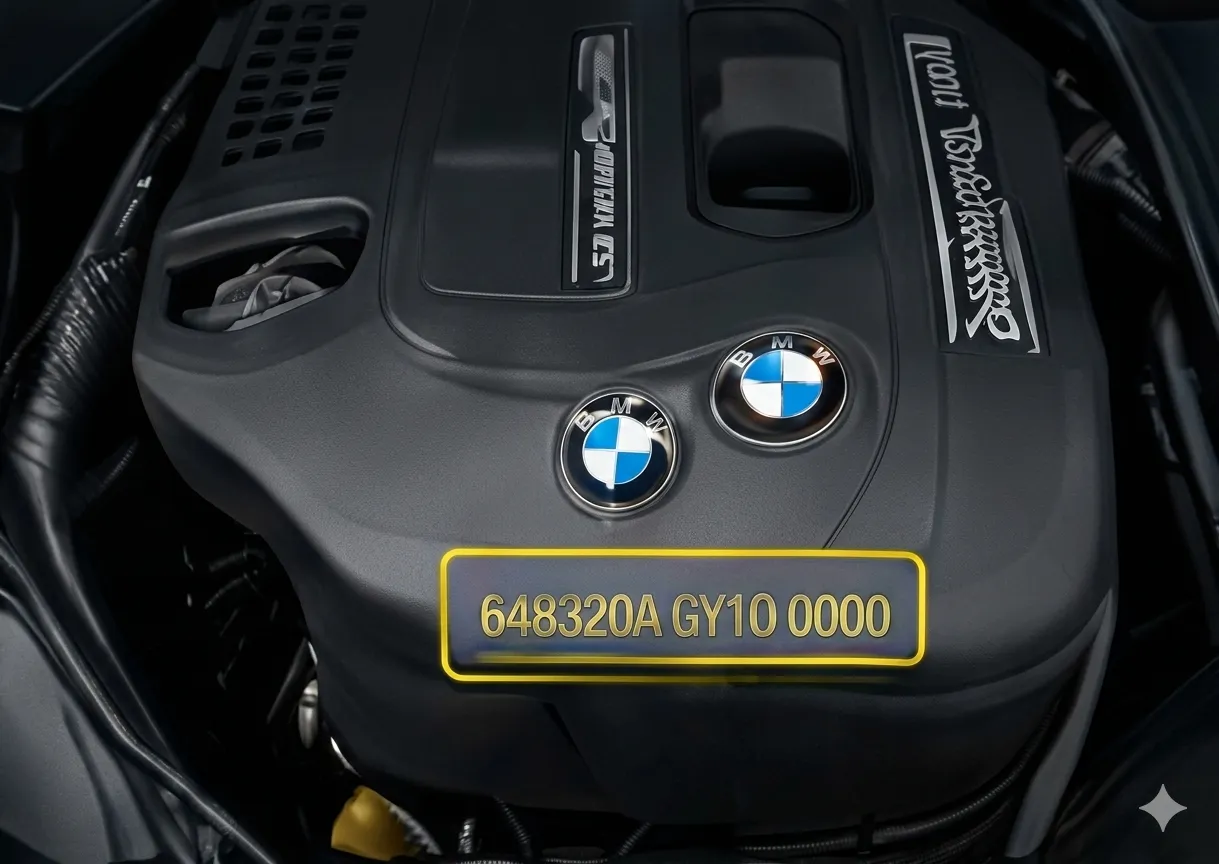
The engine code is located on a label attached to the intake manifold or timing cover. Look for '2AR-FXE' on a white sticker near the hybrid system components.
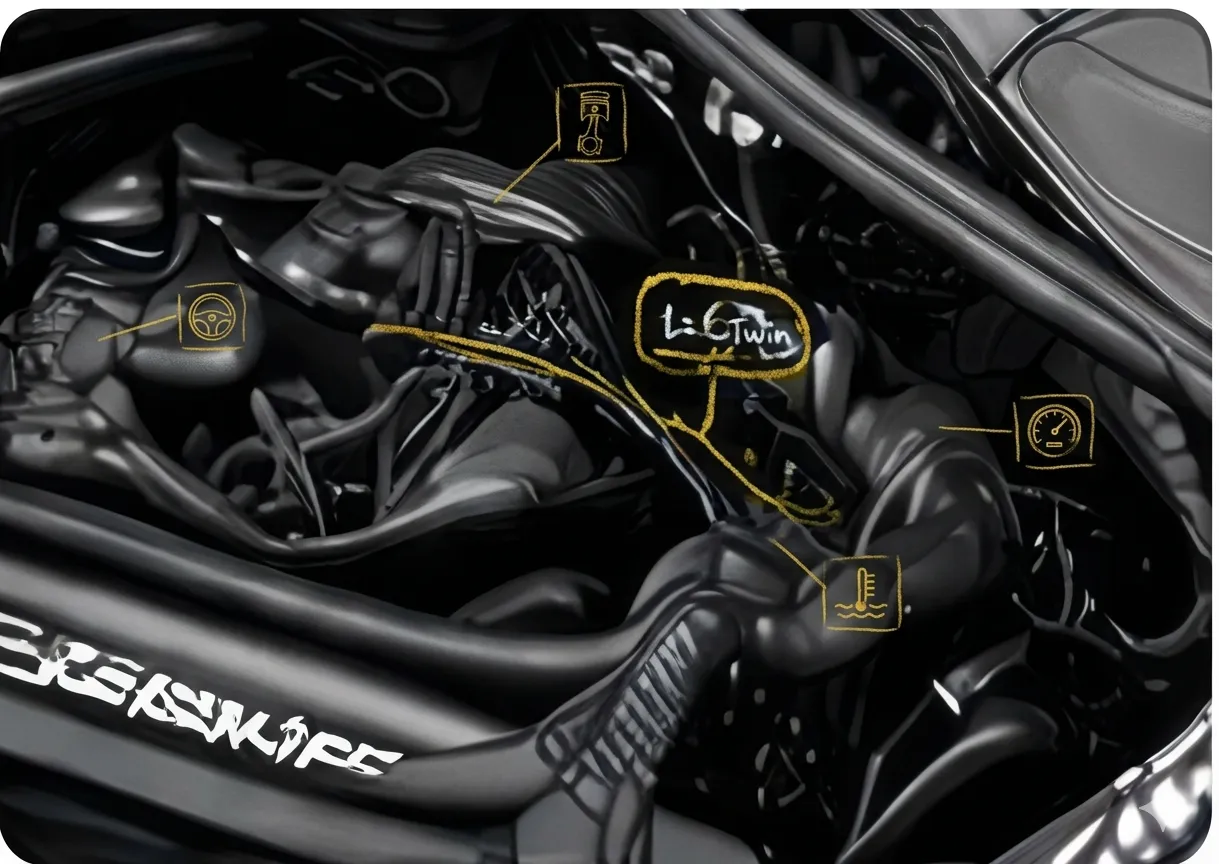
Open the hood and look at the cylinder head area. The code is cast into the metal or on a label. Confirm '2GR-FXE' for the 3.5L V6 hybrid.
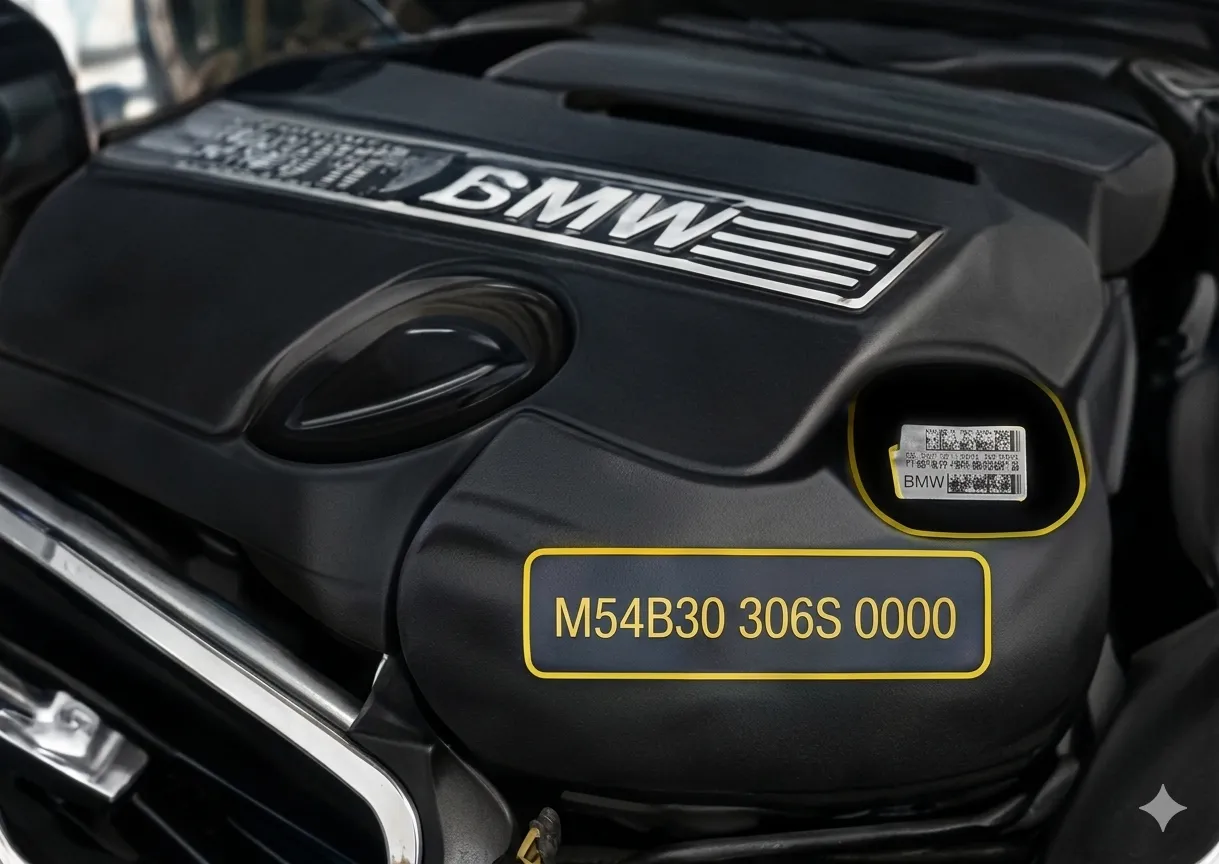
The engine code is located on the front timing cover or intake manifold label. Look for '2AR-FSE' for the 2.5L petrol engine.
Engine code locations per Lexus TIS Vehicle Identification Documentation. V5C field definitions from DVLA Guide to Vehicle Registration. VIN structure compliant with EU Regulation (EC) No 715/2007, Article 7.
A technical breakdown of Lexus's core engine systems including VVT-i, Hybrid Synergy Drive, timing architectures and Atkinson cycle with documented reliability impacts. All data sourced from Lexus TIS and EU Regulation (EC) No 715/2007
Lexus's VVT-i (Variable Valve Timing-intelligent) system continuously adjusts intake and exhaust camshaft timing to optimize performance, efficiency, and emissions across all engine speeds.
Oil pressure actuates a vane-type mechanism on the camshaft pulley, rotating the camshaft relative to the crankshaft to advance or retard valve timing.

1UZ-FE (1998)
Intake only
2GR-FE (2005)
Intake and exhaust
2UR-GSE (2007)
Electric intake control
8AR-FTS (2015)
Wide range, Atkinson cycle
Oil control valve clogging
especially on high-mileage engines
VVT-i actuator rattle
common on cold start (2GR, 2UR)
Timing chain tensioner wear
rare but possible after 150k miles
Lexus's VVT-i (Variable Valve Timing-intelligent) system continuously adjusts intake and exhaust camshaft timing to optimize performance, efficiency, and emissions across all engine speeds.
Oil pressure actuates a vane-type mechanism on the camshaft pulley, rotating the camshaft relative to the crankshaft to advance or retard valve timing.
1UZ-FE (1998)
Intake only
2GR-FE (2005)
Intake and exhaust
2UR-GSE (2007)
Electric intake control
8AR-FTS (2015)
Wide range, Atkinson cycle
Oil control valve clogging
especially on high-mileage engines
VVT-i actuator rattle
common on cold start (2GR, 2UR)
Timing chain tensioner wear
rare but possible after 150k miles
All technical descriptions and failure data sourced from Lexus Product Technical Reports, Lexus TIS Service Information, and EU Regulation (EC) No 715/2007 on vehicle type-approval.
Track BMW engineering across decades
Launch of Lexus with world-class V8 and V6 engines focused on refinement and reliability.

Legendary 4.0L V8 that launched Lexus with exceptional smoothness, refinement, and reliability that set new luxury standards.
Smooth 3.0L V6 that balanced performance and efficiency for mainstream Lexus models with proven durability.
Engine production years verified via Lexus Product Reports and EU type-approval records
Authoritative data on Lexus's global engine production, plant operations, and strategic partnerships. All figures sourced from Toyota Motor Corporation Annual Reports, Sustainability Reports, and EU industrial compliance records.
Lexus engines are manufactured at Toyota facilities worldwide, each specializing in specific families.


Lexus produces nearly 500,000 engines per year with hybrid powertrains dominating production. Note the steady increase in hybrid percentage as Lexus moves toward electrification.
Note: Lexus has no diesel engines. Hybrid production has increased steadily in line with EU emissions targets and Lexus electrification strategy.
Lexus is the luxury division of Toyota Motor Corporation. All Lexus engines are Toyota-designed and manufactured, sharing technology across both brands with Lexus receiving premium variants and enhanced refinement.
Hybrid Synergy Drive, VVT-i, Dynamic Force engines
Lexus engines built at dedicated Toyota facilities with enhanced quality control
Toyota Motor Corporation Corporate Information
Lexus leads the industry in hybrid adoption with no diesel engines.
This aligns with Commission Regulation (EU) 2017/1151 (WLTP/RDE) and Lexus carbon neutrality goals by 2035.
Engine production years verified via Toyota Motor Corporation Product Reports and EU type-approval records
The most common questions about engine codes, what they mean, how to find them and how this database works
A Lexus engine code (e.g., 2ZR-FXE, 2AR-FXE) identifies the engine family, fuel type, displacement, and generation. First digit: Generation (2 = second generation). Letters: Engine family (ZR, AR, GR). Suffix: Technology (FXE = Atkinson cycle hybrid). Source: Lexus TIS Documentation
Yes, Lexus Hybrid Synergy Drive systems are among the most reliable powertrains available. The 2ZR-FXE and 2AR-FXE engines regularly exceed 200,000 miles with minimal issues. Common concerns include inverter coolant pump failure (around 100,000 miles) and hybrid battery degradation (typically after 10–15 years).
The 2AR-FXE (2.5L hybrid) and 2GR-FXE (3.5L V6 hybrid) are widely regarded as Lexus's most reliable engines. The naturally aspirated 1UR-FE (4.6L V8) is also extremely durable. Lexus hybrid systems have exceptional long-term reliability records.
All modern Lexus engines use timing chains designed for the life of the engine. This includes the ZR, AR, GR, and UR series. The chains are highly reliable and rarely require replacement under normal driving conditions.
On the 2AR-FXE engine, the code is located on a white label attached to the intake manifold or timing cover. Also check the V5C logbook under 'Engine Number'.
On the UK V5C registration document, look for the 'Engine Number' field (not VIN). This matches the engine code (e.g., 2ZR-FXE). If the engine was replaced, this may not reflect the current unit.
2ZR-FXE: 1.8L inline-4 hybrid – used in CT 200h, IS 300h. 2AR-FXE: 2.5L inline-4 hybrid – used in ES 300h, NX 300h, RX 350h. Both use Atkinson cycle and Hybrid Synergy Drive, but 2AR-FXE provides more power and torque.
Yes. The engine code (e.g., 2AR-FXE) is required for ordering correct parts (ECU, inverter, hybrid battery). Using VIN alone can lead to errors. Always verify with the physical engine code.
Yes. High-performance engines (2UR-GSE in RC F) or hybrid systems can affect premiums. However, Lexus hybrids often receive favorable rates due to reliability and safety records. Always declare correct engine code.
The 2AR-FXE (2012–present) is designed for 200,000+ miles with proper maintenance. Known for exceptional reliability with minimal major issues. Hybrid battery typically lasts 10–15 years or 150,000+ miles.
Yes. All modern Lexus engines (ZR, AR, GR, UR series) are interference engines. If the timing chain fails, internal damage is likely. However, timing chain failures are extremely rare on Lexus engines.
Most Lexus hybrids use regular unleaded petrol (95 RON). High-performance models like the LC 500h may recommend premium fuel (98 RON) for optimal performance. Check your owner's manual for specific requirements.
Yes, but must be declared to DVLA. Changing engine code may affect MoT, insurance, and emissions compliance. Hybrid to non-hybrid swaps are particularly complex and not recommended. Source: DVLA guidelines
Positions 4–7 of the VIN indicate model and engine type. Use a Lexus-specific VIN decoder for accurate engine identification. VIN structure complies with EU Regulation (EC) No 715/2007.
Use Lexus TIS (Technical Information System) or Toyota/Lexus Technical Documentation. Public data also available in EU type-approval documents.
The EngineCode.uk is an independent technical resource dedicated to providing accurate, non-commercial engine data for BMW and related powertrains. This section outlines our sources, disclaimers, and compliance policies in accordance with Google's E-E-A-T (Experience, Expertise, Authoritativeness, Trustworthiness) guidelines.
EngineCode.uk is operated by Engine Finders UK Ltd as a standalone reference platform. We are not affiliated with Lexus, Toyota Motor Corporation, or any other manufacturer or trademark holder. All content is created independently for educational and diagnostic purposes only. The Lexus name, logo, and engine codes are trademarks of Toyota Motor Corporation.
All engine and vehicle images used on this site are for technical identification and educational purposes under fair use principles. If you believe any image infringes your copyright, please contact us at copyrights@enginecode.uk. We will review the claim promptly and remove or license the content as required.
EngineCode.uk complies with the UK General Data Protection Regulation (UK GDPR) and the EU GDPR. We do not collect personal data through this platform unless explicitly provided (e.g., contact forms).
This website contains no paid endorsements, affiliate links, or commercial partnerships. We do not sell parts, services, or recommendations. Our mission is to provide accurate, verifiable, and neutral technical data to support vehicle owners, restorers, and technicians across the UK and Europe.
Information accurate as of 2025