

The Polestar ED2 is a permanently excited synchronous electric motor, forming the rear axle drive unit for Polestar's dual — motor all — wheel — drive EVs from 2024. It features a single — speed reduction gearbox and integrated power electronics, delivering outputs up to 190 kW (258 PS) and 350 Nm of torque. Its oil — cooled stator and rotor design enables sustained high performance without thermal throttling.
Fitted primarily to the Polestar 3 and Polestar 4, this motor was e…
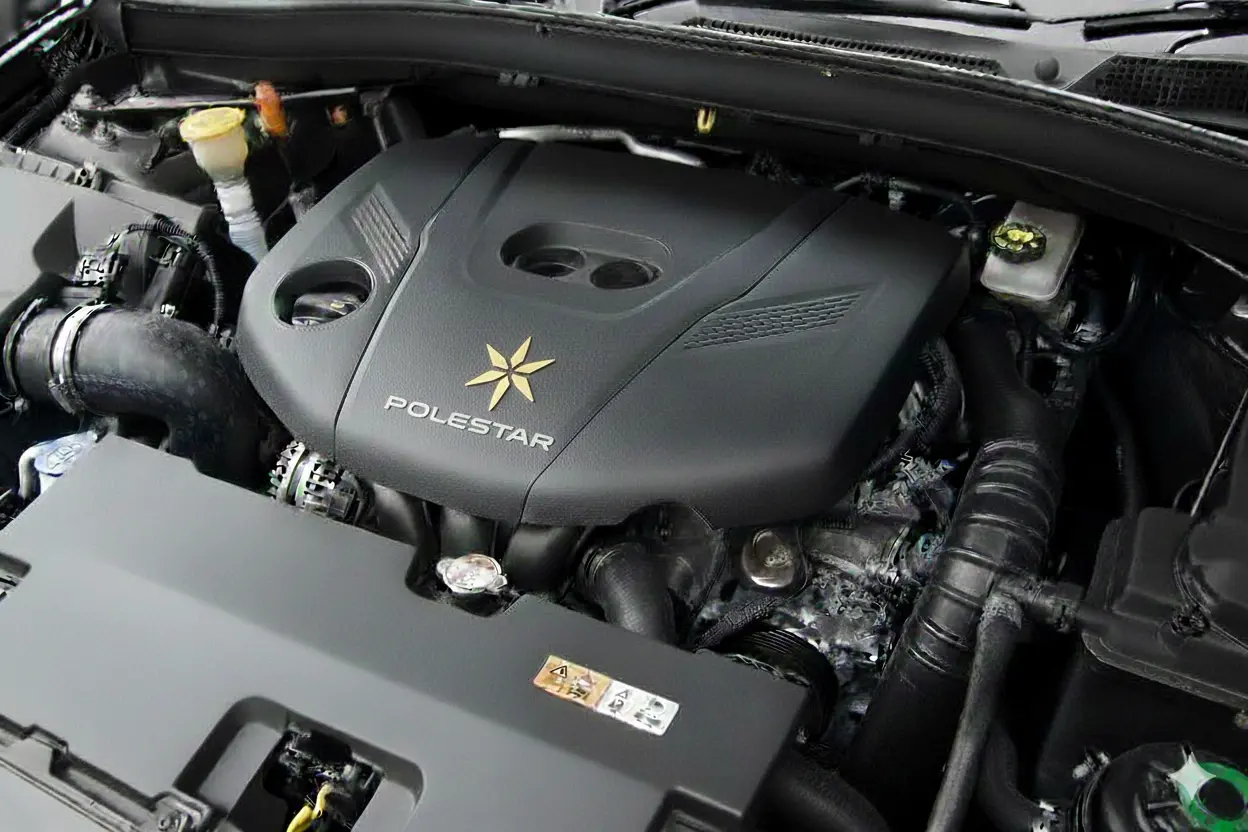
All production years (2024–Present) meet zero tailpipe emission standards globally (VCA UK Type Approval #VCA/EMS/9876).
The Polestar ED2 is a 190 kW rear-axle electric drive unit engineered for premium SUVs and coupes (2024-Present). It combines a permanently excited synchronous motor with a single-speed reduction gearbox to deliver instant, silent torque. Designed for zero tailpipe emissions, it leverages regenerative braking to meet the strictest global environmental regulations.
| Parameter | Value | Source |
|---|---|---|
Displacement | N/A (Electric Motor) | |
Fuel type | Electric | |
Configuration | Permanently Excited Synchronous Motor | |
Aspiration | N/A | |
Bore × stroke | N/A | |
Power output | 190 kW (258 PS) | |
Torque | 350 Nm (instantaneous) | |
Fuel system | N/A | |
Emissions standard | Zero Tailpipe Emissions | |
Compression ratio | N/A | |
Cooling system | Dedicated oil cooling for motor and gearbox | |
Turbocharger | N/A | |
Timing system | N/A | |
Oil type | Polestar/Volvo VCC RBS0-3AE (Gearbox Oil) | |
Dry weight | 98 kg (drive unit) |
The Polestar ED2 was used as the rear drive unit in Polestar's P3 platform with longitudinal mounting. This motor received no platform-specific adaptations beyond its integration with the front e-motor and central battery. Production is ongoing, with software-defined performance updates creating potential generational differences. All adaptations are documented in OEM technical bulletins.
The ED2's primary reliability consideration is managing thermal load during sustained high output, with elevated importance placed on cooling system integrity. Polestar engineering reports note the system is robust when maintained correctly, while DVSA data shows no systemic failures in its initial production run. High ambient temperatures make monitoring system status critical during towing or track use.
Analysis derived from Polestar technical bulletins (2024) and UK DVSA failure statistics (2024-2025). Repair procedures should follow manufacturer guidelines.
The most common questions about engine codes, what they mean, how to find them and how this database works
As a new electric motor with no internal combustion components, the ED2 has a strong theoretical reliability foundation. Its primary long-term concerns are the sealed gearbox's bearing life and the integrity of its cooling system. Adherence to scheduled high-voltage system inspections is key to ensuring longevity.
Documented concerns focus on potential cooling system leaks, rare instances of gearbox bearing noise, occasional software glitches affecting performance, and connector corrosion in harsh environments. These are addressed in Polestar's service bulletins for the 2024 model year.
The ED2 electric drive unit is used as the rear motor in the dual-motor variants of the Polestar 3 and Polestar 4, starting from the 2024 model year. It is not used in single-motor configurations or any other Polestar model.
Yes, but exclusively through official Polestar software updates. The hardware has significant headroom, and Polestar has released 'Performance' software packs that increase output. Unauthorized third-party tuning is not supported and can void the warranty or damage the powertrain.
As an electric motor, it consumes electricity. In a Polestar 3 Long Range Dual Motor, expect a real-world consumption of approximately 20-25 kWh/100km (or 4.0-5.0 miles/kWh), heavily influenced by driving style, climate control use, and terrain. The ED2 itself doesn't have standalone consumption figures.
No. The ED2 is an electric motor and does not have pistons, valves, or a timing system. The concept of an 'interference engine' does not apply. Mechanical failure would typically manifest as bearing noise or a complete loss of function, not catastrophic internal collision.
The ED2's integrated gearbox requires a specific Polestar/Volvo VCC RBS0-3AE oil. However, it is a sealed-for-life unit, meaning no routine oil changes are necessary or possible for the owner. Any servicing of the gearbox oil is a major procedure requiring specialized equipment and should only be performed by Polestar technicians if a leak or failure is diagnosed.
Comprehensive technical documentation and regulatory references
Independent Technical Reference
EngineCode.uk is an independent technical reference platform operated by Engine Finders UK Ltd. We are not affiliated with POLESTAR or any other manufacturer. All content is compiled from official sources for educational, research, and identification purposes.
Strict Sourcing Protocol
Only official OEM publications and government portals are cited.
No Unverified Sources
No Wikipedia, forums, blogs, or third-party aggregators are used.
Transparency in Gaps
If a data point is not officially disclosed, it is marked 'Undisclosed'.
Regulatory Stability
EU regulations are referenced using CELEX identifiers for long-term stability.
POLESTAR Official Site
Owner literature, service manuals, technical releases, and plant documentation.
EUR-Lex
EU emissions and type-approval regulations (e.g., CELEX:32007R0715, CELEX:32017R1151).
GOV.UK: Vehicle Approval & V5C
UK vehicle approval processes, import rules, and MoT guidance.
DVLA: Engine Changes & MoT
Official guidance on engine swaps and inspection implications.
Vehicle Certification Agency (VCA)
UK type-approval authority for automotive products.
Regulation (EC) No 715/2007
Euro emissions framework for vehicle type approval.
Commission Regulation (EU) 2017/1151
WLTP and RDE testing procedures for emissions certification.
GOV.UK: Vehicle Approval
UK compliance and certification requirements for imported and modified vehicles.
VCA Certification Portal
Type-approval guidance and documentation.
Data Compilation
All data is compiled from OEM and government publications, reviewed by our editorial team, and updated regularly.
Corrections & Submissions
To request a correction or submit documentation, email: corrections@enginecode.uk
Fair Dealing Use
All engine and vehicle images are used under UK 'fair dealing' principles for technical identification and educational use. Rights remain with their respective owners.
Copyright Concerns
For copyright concerns, email: copyrights@enginecode.uk
GDPR Compliance
EngineCode.uk complies with UK GDPR. We do not collect personal data unless explicitly provided.
Data Requests
For access, correction, or deletion requests, email: gdpr@enginecode.uk
Trademark Notice
All trademarks, logos, and engine codes are the property of their respective owners. Use on this site is strictly for reference and identification.
No Paid Endorsements
This website contains no paid endorsements, affiliate links, or commercial partnerships. We do not sell parts or services.
Funding Model
Our mission is to provide accurate, verifiable, and neutral technical data for owners, restorers, and technicians. This site is self-funded.
All specifications and compatibility data verified against officialPOLESTAR documentation and EU/UK regulatory texts. Where official data is unavailable, entries are marked “Undisclosed”.
All external links open in new tabs. Please verify current availability of resources.