


Covers Daihatsu petrol and hybrid engines used across UK and European models - from compact kei car engines to efficient small displacement units. Each engine code includes specifications, compatible vehicles, and emissions data, sourced from official Daihatsu and EU records.
Data sourced from Daihatsu Technical Service Information, EU Regulation (EC) No 715/2007, and Toyota-Daihatsu Technical Documentation.
Find Daihatsu engine codes by family, model, or generation

| Engine Code | Fuel Type | Series | Specifications |
|---|---|---|---|
| Petrol | 1kr Fe | View Specs | |
| Petrol | 1kr Ve | View Specs | |
| Petrol | 2kr De | View Specs | |
| Petrol | 2kr Ve | View Specs | |
| Petrol | 3kr De | View Specs | |
| Petrol | 4krfe | View Specs | |
| Petrol | AB-Series | View Specs | |
| Petrol | AD-Series | View Specs | |
| Petrol | CB-Series | View Specs | |
| Petrol | CB-Series | View Specs | |
| Petrol | CB-Series | View Specs | |
| Petrol | CB-Series | View Specs | |
| Petrol | CB-Series | View Specs | |
| Petrol | CB-Series | View Specs | |
| Petrol | CB-Series | View Specs | |
| Petrol | CL-Series | View Specs | |
| Petrol | CL-Series | View Specs | |
| Petrol | CL-Series | View Specs | |
| Petrol | CL-Series | View Specs | |
| Petrol | CL-Series | View Specs | |
| Petrol | DAIHATSU-Series | View Specs | |
| Diesel | DL-Series | View Specs | |
| Diesel | DL-Series | View Specs | |
| Diesel | DL-Series | View Specs | |
| Diesel | DL-Series | View Specs | |
| Diesel | DLT-Series | View Specs | |
| Diesel | DLT-Series | View Specs | |
| Diesel | DV-Series | View Specs | |
| Petrol | E-Series | View Specs | |
| Petrol | EB-Series | View Specs | |
| Petrol | EC-Series | View Specs | |
| Petrol | ED-Series | View Specs | |
| Petrol | ED-Series | View Specs | |
| Petrol | ED-Series | View Specs | |
| Petrol | ED-Series | View Specs | |
| Petrol | EJ-Series | View Specs | |
| Petrol | EJ-Series | View Specs | |
| Electric | EV-Series | View Specs | |
| Petrol | F-Series | View Specs | |
| Petrol | F-Series | View Specs | |
| Petrol | HC-Series | View Specs | |
| Petrol | HC-Series | View Specs | |
| Petrol | HC-Series | View Specs | |
| Diesel | HD-Series | View Specs | |
| Diesel | HD-Series | View Specs | |
| Diesel | HD-Series | View Specs | |
| Diesel | HD-Series | View Specs | |
| Petrol | HEE-Series | View Specs | |
| Petrol | HEEG-Series | View Specs | |
| Petrol | JB-Series | View Specs | |
| Petrol | JB-Series | View Specs | |
| Petrol | K-Series | View Specs | |
| Petrol | K-Series | View Specs | |
| Petrol | K-Series | View Specs | |
| Petrol | KF-Series | View Specs | |
| Petrol | KF-Series | View Specs | |
| Petrol | KF-Series | View Specs | |
| Petrol | KH-Series | View Specs | |
| Petrol | KR-Series | View Specs |

See where Daihatsu power drives other leading brands.
Engine specifications and technical data sourced from Daihatsu Technical Documentation and EU Vehicle Type Approval Database. All specifications are verified against official Daihatsu service documentation.
The engine code is essential for ordering parts, diagnosing issues, and verifying compatibility. It is not the same as the VIN or chassis number. This guide shows exactly where to find it - by model and engine type - using official Daihatsu and DVLA sources
A unique identifier stamped on the engine block or cover used for parts and service.
The vehicle identification number that holds encoded vehicle and engine information.
The chassis or frame number used for registration and legal identification.
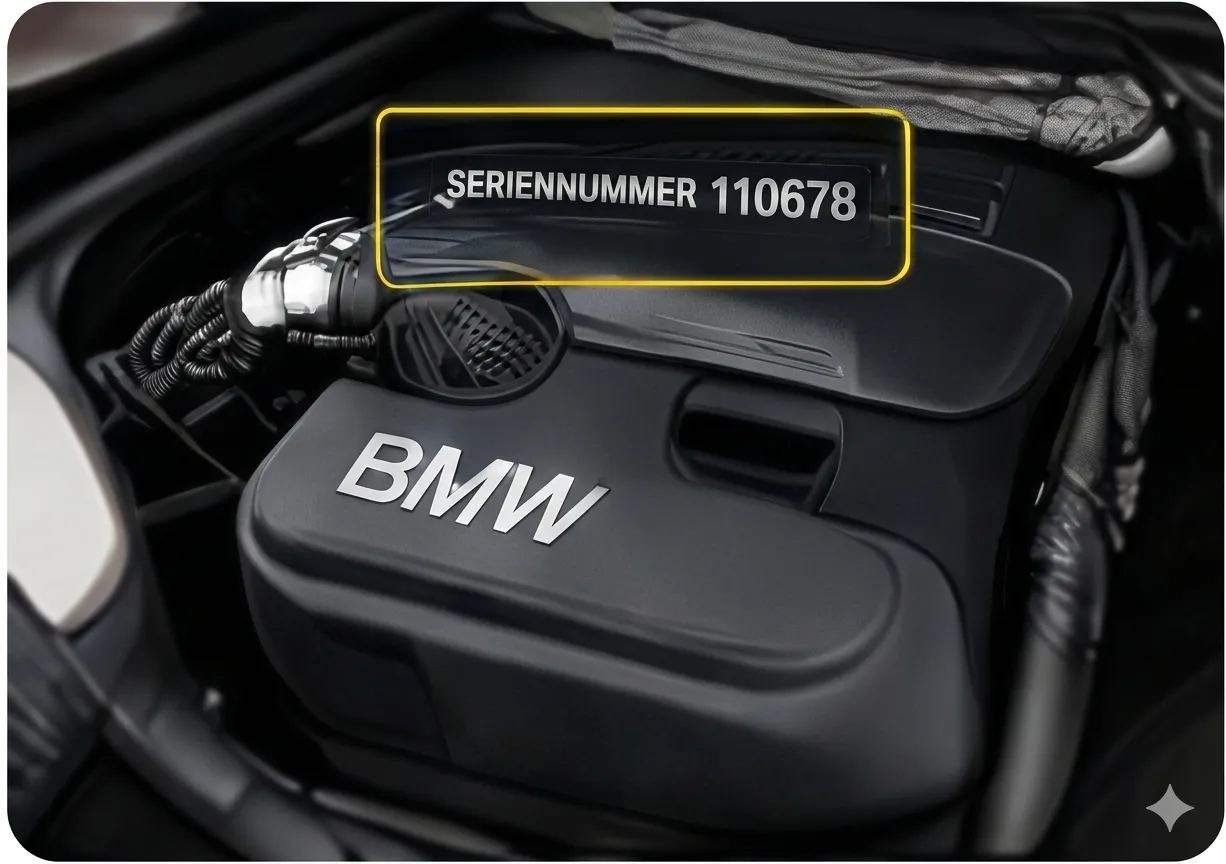
Locate the engine code on the front timing cover, just below the camshaft cover. It is stamped into the metal or on a label near the timing belt housing.
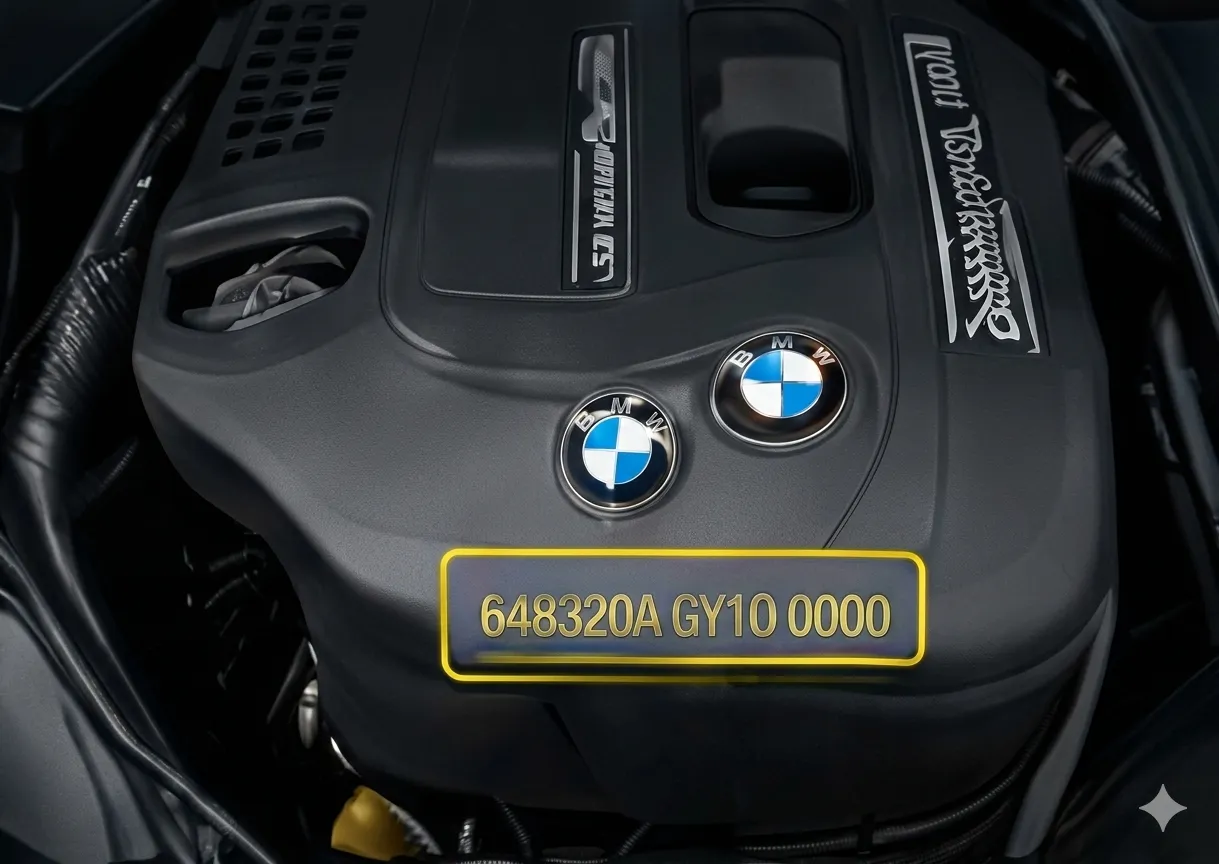
The engine code is located on a label attached to the camshaft cover or timing cover. It reads 'KF-VE' for VVT-equipped models.
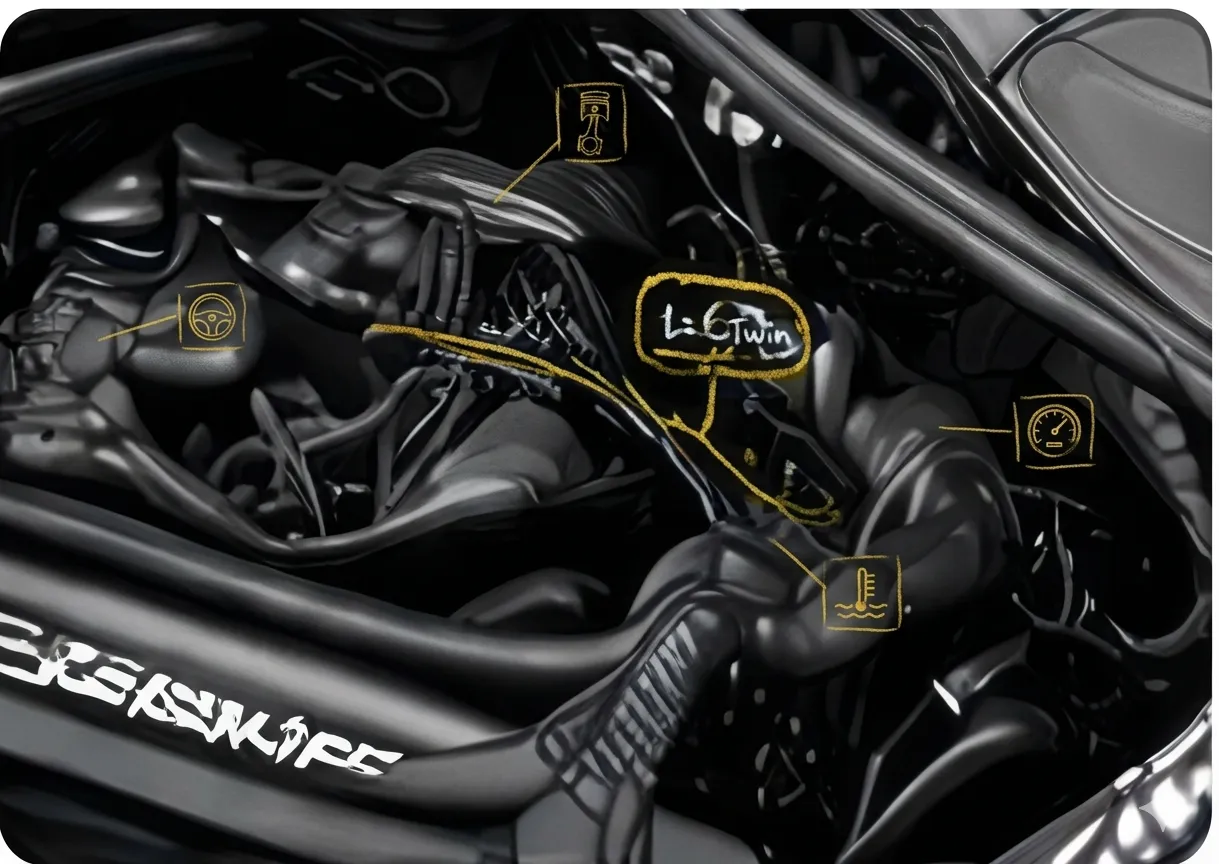
Open the hood and look at the front of the engine. The code is on a label near the timing cover or stamped on the block. Confirm '3SZ-VE' for 1.5L petrol models.
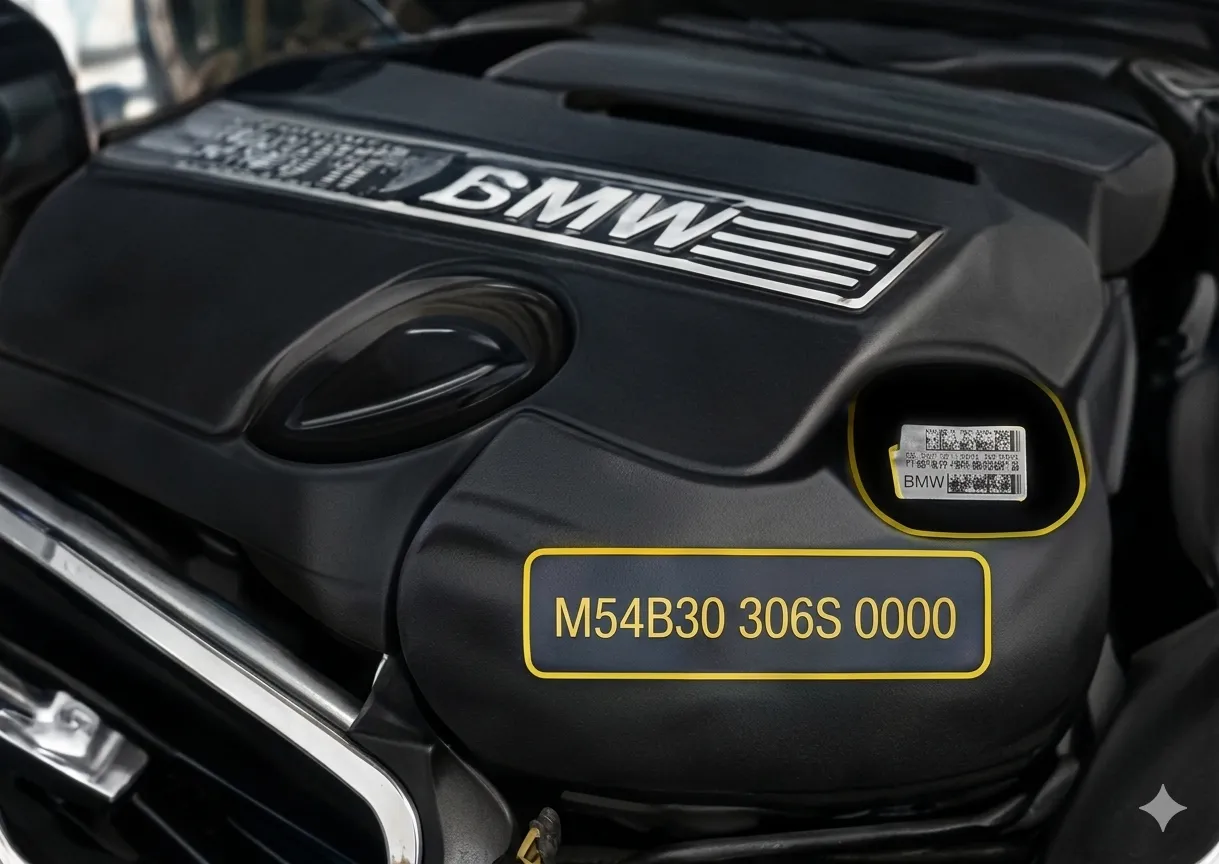
The engine code is cast into the front of the cylinder head or on a label near the intake manifold. Look for '3SZ-VE' marking.
Engine code locations per Daihatsu Service Manual. V5C field definitions from DVLA Guide to Vehicle Registration. VIN structure compliant with EU Regulation (EC) No 715/2007, Article 7.
A technical breakdown of Daihatsu's core engine systems including VVT, turbocharging, timing systems and compact engine design with documented reliability impacts. All data sourced from Daihatsu Technical Service Information and EU Regulation (EC) No 715/2007
Daihatsu's VVT system optimizes valve timing for improved fuel efficiency, power output, and emissions control across the engine speed range.
The VVT system uses oil pressure to adjust camshaft timing via a phaser mechanism, advancing or retarding valve timing based on engine speed and load conditions.

EJ-VE (2000s)
Basic VVT on intake
KF-VE (2000s)
Electronic VVT control
3SZ-VE (2000s)
Intake and exhaust VVT
VVT phaser wear
High mileage engines
Oil pressure sensitivity
Requires regular oil changes
VVT solenoid clogging
Can cause rough idle
Daihatsu's VVT system optimizes valve timing for improved fuel efficiency, power output, and emissions control across the engine speed range.
The VVT system uses oil pressure to adjust camshaft timing via a phaser mechanism, advancing or retarding valve timing based on engine speed and load conditions.
EJ-VE (2000s)
Basic VVT on intake
KF-VE (2000s)
Electronic VVT control
3SZ-VE (2000s)
Intake and exhaust VVT
VVT phaser wear
High mileage engines
Oil pressure sensitivity
Requires regular oil changes
VVT solenoid clogging
Can cause rough idle
All technical descriptions and failure data sourced from Daihatsu Technical Service Information, Service Bulletins, and EU Regulation (EC) No 715/2007 on vehicle type-approval.
Track BMW engineering across decades
Early foundations with simple, efficient designs for compact vehicles.

Small displacement engines that established Daihatsu's reputation for compact, efficient powertrains in the Japanese domestic market.
Reliable four-cylinder engines designed for compact sedans with focus on fuel economy and simplicity.
Engine production years verified via Daihatsu Product Reports and EU type-approval records
Authoritative data on Daihatsu's global engine production, plant operations, and strategic partnerships with Toyota. All figures sourced from Daihatsu and Toyota reports, and EU industrial compliance records.
Daihatsu manufactures engines at primary facilities in Japan and Indonesia.


Daihatsu produces engines primarily for small vehicles and kei cars, with production focused on Asian markets and select European models.
Note: Production data focused on Asian markets with limited European presence post-2013.
Strategic partnership since Toyota's majority acquisition. Daihatsu focuses on small vehicles and kei cars while leveraging Toyota technology and quality systems.
Toyota quality standards and hybrid systems
Integrated manufacturing and supply chain
Toyota-Daihatsu Partnership Documentation
Daihatsu focuses exclusively on efficient petrol engines for small vehicles.
Daihatsu specializes in compact petrol engines for kei cars and small vehicles.
Engine production data verified via Daihatsu Product Reports and Toyota-Daihatsu Partnership Documentation.
The most common questions about engine codes, what they mean, how to find them and how this database works
A Daihatsu engine code (e.g., EJ-VE, KF-VE, 3SZ-VE) identifies the engine family, configuration, and variant. First letters: Series (EJ = small petrol, KF = kei car, 3SZ = 1.5L). Suffix: VE = VVT-E (Variable Valve Timing with electronic control).
Daihatsu engines are generally reliable with proper maintenance. The EJ and KF series are known for simplicity and durability. Common issues include timing belt wear (if not replaced) and occasional oil consumption in high-mileage engines. Regular maintenance is key.
Most Daihatsu engines use timing belts requiring replacement every 60,000-100,000 miles. Some newer models may use chains. Always check your specific engine code - using the wrong service interval can cause catastrophic engine damage in these interference engines.
The EJ-VE and KF-VE engines are widely regarded as Daihatsu's most reliable modern engines. They feature simple design, VVT technology, and proven durability. The 3SZ-VE is also robust for larger applications. All benefit from regular maintenance.
On the EJ engine, the code is stamped on the front timing cover or on a label near the camshaft housing. Also check the V5C logbook under 'Engine Number'. The code should read 'EJ-VE' for VVT-equipped models.
On the UK V5C registration document, look for the 'Engine Number' field (not VIN). This matches the engine code (e.g., EJ-VE, KF-VE). If the engine was replaced, this may not reflect the current unit - always verify physically.
EJ: Larger displacement (1.0L-1.3L) - used in Sirion, Materia. KF: Kei car engines (0.66L) - used in Cuore, Move. Both are efficient petrol engines with VVT, but KF is specifically designed for Japanese kei car regulations and tax benefits.
Yes. The engine code (e.g., EJ-VE, KF-VE, 3SZ-VE) is required for ordering correct parts (ECU, timing belt, injectors, gaskets). Using VIN alone can lead to errors. Always verify with the physical engine code stamped on the engine.
Daihatsu engines can last 150,000-200,000 miles with proper maintenance. Regular timing belt changes (every 60k-100k miles), oil changes every 6,000-10,000 miles, and coolant flushes are critical. The simple design contributes to longevity when maintained properly.
Yes, most Daihatsu engines are interference engines. If the timing belt fails, the pistons will hit the valves causing severe internal damage. Immediate towing required. Always replace timing belts at recommended intervals - it's cheaper than engine replacement.
Yes. Since Toyota's majority ownership (full ownership since 2016), there has been increased engine sharing. Some Daihatsu models use Toyota-derived engines, and Daihatsu engines appear in certain Toyota models for Asian markets (e.g., Toyota Pixis, Passo).
Daihatsu typically recommends 5W-30 or 10W-30 synthetic or semi-synthetic oil for petrol engines. Always check your owner's manual for the specific viscosity and specification for your engine code. Regular oil changes every 6,000-10,000 miles are essential.
Engine swaps are possible but complex. Requires ECU compatibility, wiring harness changes, and mount modifications. Must be declared to DVLA in the UK. Ensure compliance with emissions regulations. Not recommended without expert tuning and knowledge.
Yes. Engine size and type affect insurance premiums. Larger engines (3SZ-VE 1.5L) may cost more to insure than smaller engines (KF-VE 0.66L). Always declare the correct engine code to your insurer to avoid policy invalidation.
Daihatsu VIN structure varies by market. Generally, positions 4-8 indicate engine type and model. Example: MHDJ101E... where specific digits indicate engine family. Use a Daihatsu-specific VIN decoder or check your V5C for the engine code.
Daihatsu withdrew from the UK market in 2013. However, parts and service support continue through the Toyota network. Existing Daihatsu vehicles can still be serviced, and parts remain available through Toyota dealers and specialist suppliers.
Kei car engines are Japanese microcar engines limited to 660cc displacement by regulation. Daihatsu's KF series are kei engines, offering tax benefits and insurance advantages in Japan. They're highly efficient and compact, designed for urban mobility.
Use Daihatsu Technical Service Information (TSI) or service manuals. Public data also available in EU type-approval documents. Toyota dealers may have access to Daihatsu technical information due to the partnership. Online databases like EngineCode.uk compile this data.
Yes, most modern Daihatsu engines feature VVT (Variable Valve Timing), indicated by 'VE' suffix (e.g., EJ-VE, KF-VE). VVT improves fuel efficiency, power output, and emissions by optimizing valve timing based on engine speed and load.
Daihatsu recommends timing belt replacement every 60,000-100,000 miles or 5-7 years, whichever comes first. Always replace the water pump, tensioner, and idler pulleys at the same time. This is critical - belt failure destroys interference engines.
The EngineCode.uk is an independent technical resource dedicated to providing accurate, non-commercial engine data for BMW and related powertrains. This section outlines our sources, disclaimers, and compliance policies in accordance with Google's E-E-A-T (Experience, Expertise, Authoritativeness, Trustworthiness) guidelines.
EngineCode.uk is operated by Engine Finders UK Ltd as a standalone reference platform. We are not affiliated with Daihatsu Motor Co., Ltd., Toyota Motor Corporation, or any other manufacturer or trademark holder. All content is created independently for educational and diagnostic purposes only. The Daihatsu name, logo, and engine codes are trademarks of Daihatsu Motor Co., Ltd.
All engine and vehicle images used on this site are for technical identification and educational purposes under fair use principles. If you believe any image infringes your copyright, please contact us at copyrights@enginecode.uk. We will review the claim promptly and remove or license the content as required.
EngineCode.uk complies with the UK General Data Protection Regulation (UK GDPR) and the EU GDPR. We do not collect personal data through this platform unless explicitly provided (e.g., contact forms).
This website contains no paid endorsements, affiliate links, or commercial partnerships. We do not sell parts, services, or recommendations. Our mission is to provide accurate, verifiable, and neutral technical data to support vehicle owners, restorers, and technicians across the UK and Europe.
Information accurate as of 2025