


Covers Isuzu diesel, petrol, and industrial engines used across UK, European, and global commercial vehicles - from early 4JA1 units to modern 4JJ3 and RZ4E powertrains. Each engine code includes specifications, compatible vehicles, and emissions data, sourced from official Isuzu and EU records.
Data sourced from Isuzu Motors Technical Service Information, EU Regulation (EC) No 715/2007, and Isuzu Workshop Manuals.
Find Isuzu engine codes by series, model, or generation

| Engine Code | Fuel Type | Series | Specifications |
|---|---|---|---|
| Petrol | 4ee1 | View Specs | |
| Petrol | 4ee2 | View Specs | |
| Petrol | 4ee3 | View Specs | |
| Petrol | 4ee4 | View Specs | |
| Diesel | 4ja1 | View Specs | |
| Diesel | 4ja1l | View Specs | |
| Diesel | 4jb1 | View Specs | |
| Diesel | 4jb1 L | View Specs | |
| Diesel | 4jb1 Tc | View Specs | |
| Diesel | 4jb1t | View Specs | |
| Diesel | 4jg2 | View Specs | |
| Diesel | 4jj1 | View Specs | |
| Diesel | 4jj1 Tc | View Specs | |
| Diesel | 4jj3 | View Specs | |
| Diesel | 4jj3 Tc | View Specs | |
| Diesel | 4jk1 | View Specs | |
| Diesel | 4jk1 Tc | View Specs | |
| Diesel | 4jk2 | View Specs | |
| Diesel | 4jx1 | View Specs | |
| Diesel | 4ud1 | View Specs | |
| Diesel | 6bd1 | View Specs | |
| Diesel | 6bd1 Tc | View Specs | |
| Diesel | 6bd1t | View Specs | |
| Diesel | 6bg1 | View Specs | |
| Diesel | 6bg1 Tc | View Specs | |
| Diesel | 6bg1t | View Specs | |
| Diesel | 6hh1 | View Specs | |
| Diesel | 6hh1 Tc | View Specs | |
| Diesel | 6hk1 | View Specs | |
| Diesel | 6hk1 Tc | View Specs | |
| Diesel | 6ll1 | View Specs | |
| Diesel | 6ud1 | View Specs | |
| Diesel | 6wg1 | View Specs |

See where Isuzu power drives GM, Chevrolet, and commercial vehicle brands.
Explore Isuzu's off-highway, marine, and genset powertrain technologies.
Engine specifications and technical data sourced from Isuzu Motors Technical Documentation and EU Vehicle Type Approval Database. All specifications are verified against official Isuzu service documentation.
The engine code is essential for ordering parts, diagnosing issues, and verifying compatibility. It is not the same as the VIN or chassis number. This guide shows exactly where to find it - by model and engine type - using official Isuzu and DVLA sources

A unique identifier stamped on the engine data plate used for parts and service.
The vehicle identification number that holds encoded vehicle and engine information.
The chassis or frame number used for registration and legal identification.
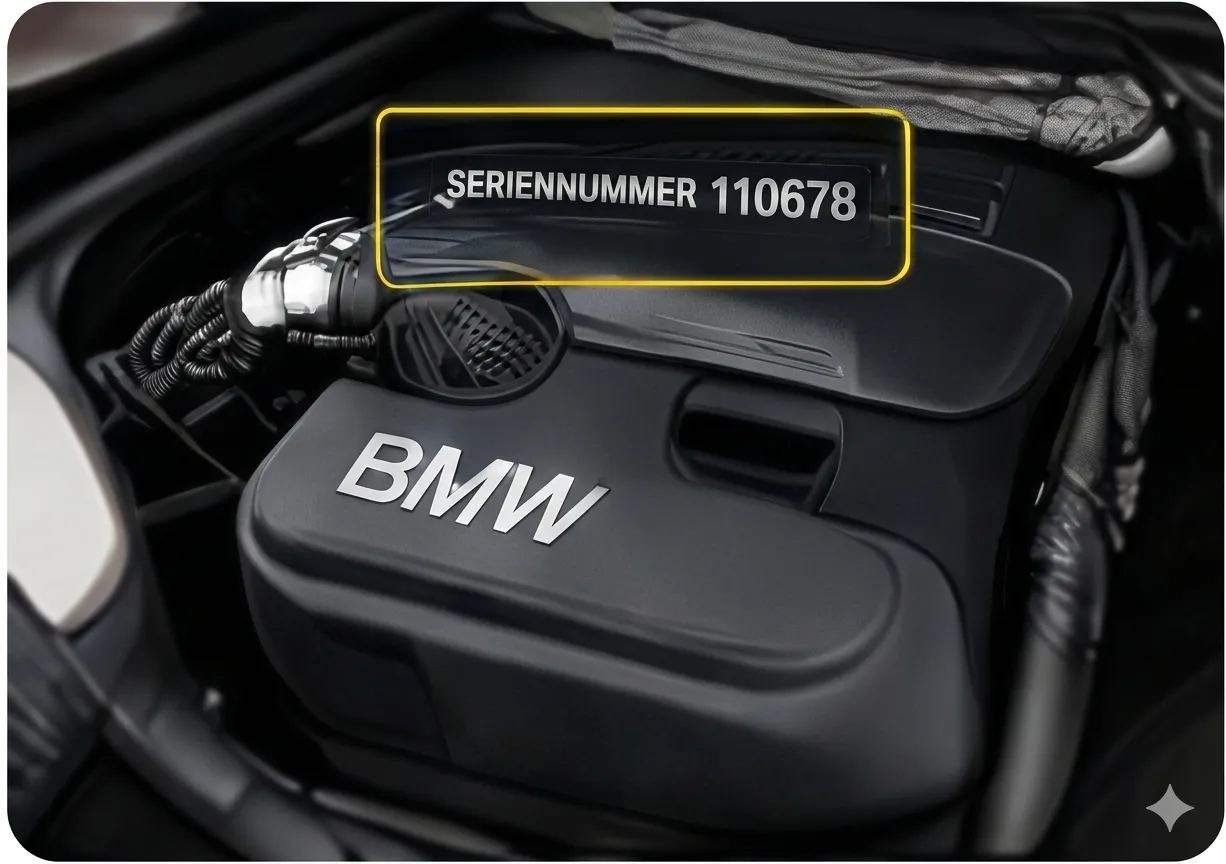
Locate the engine code on the data plate attached to the valve cover at the top of the engine. The plate reads '4JJ1-TC' with additional serial number. Clean the area with a cloth for clear visibility.
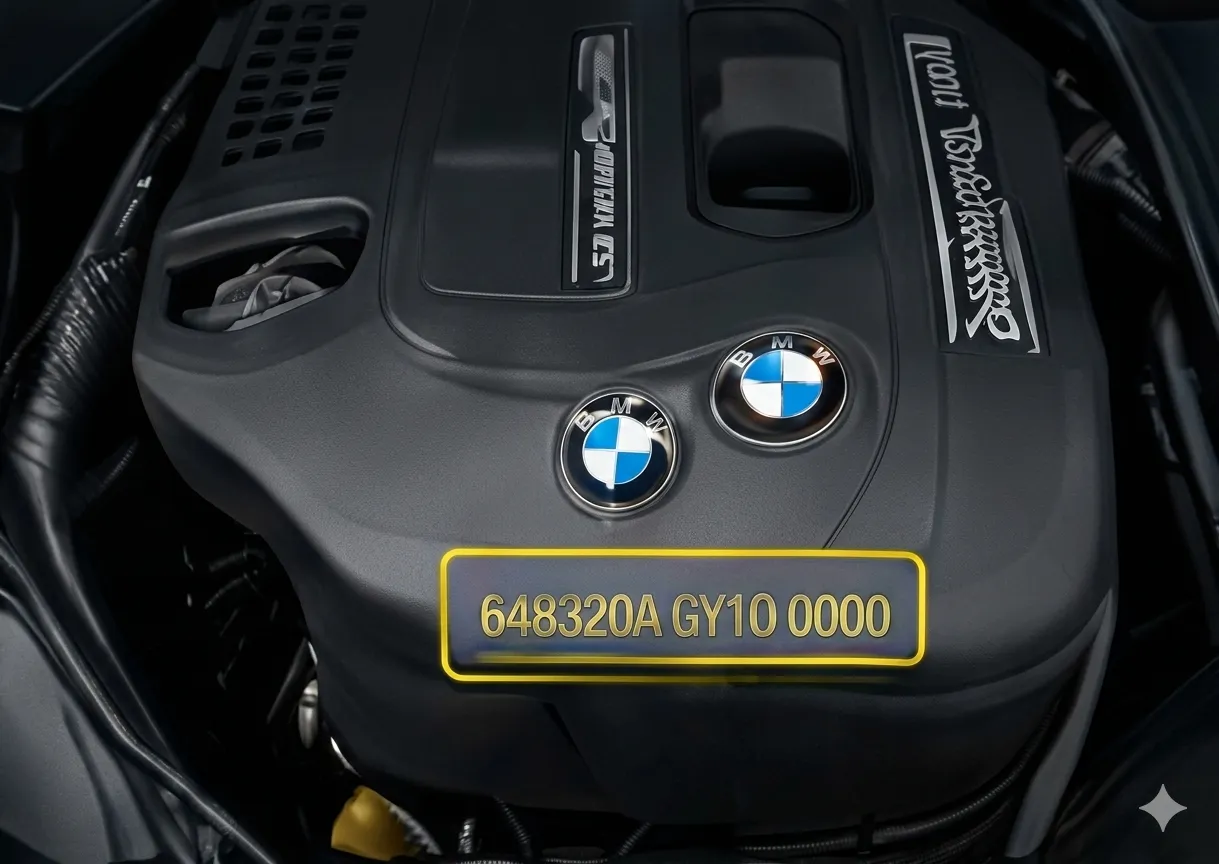
The engine code is located on a metal data plate on the engine block side, near the injection pump. It reads 'RZ4E-TC' followed by production serial. May require torch for low-light conditions.
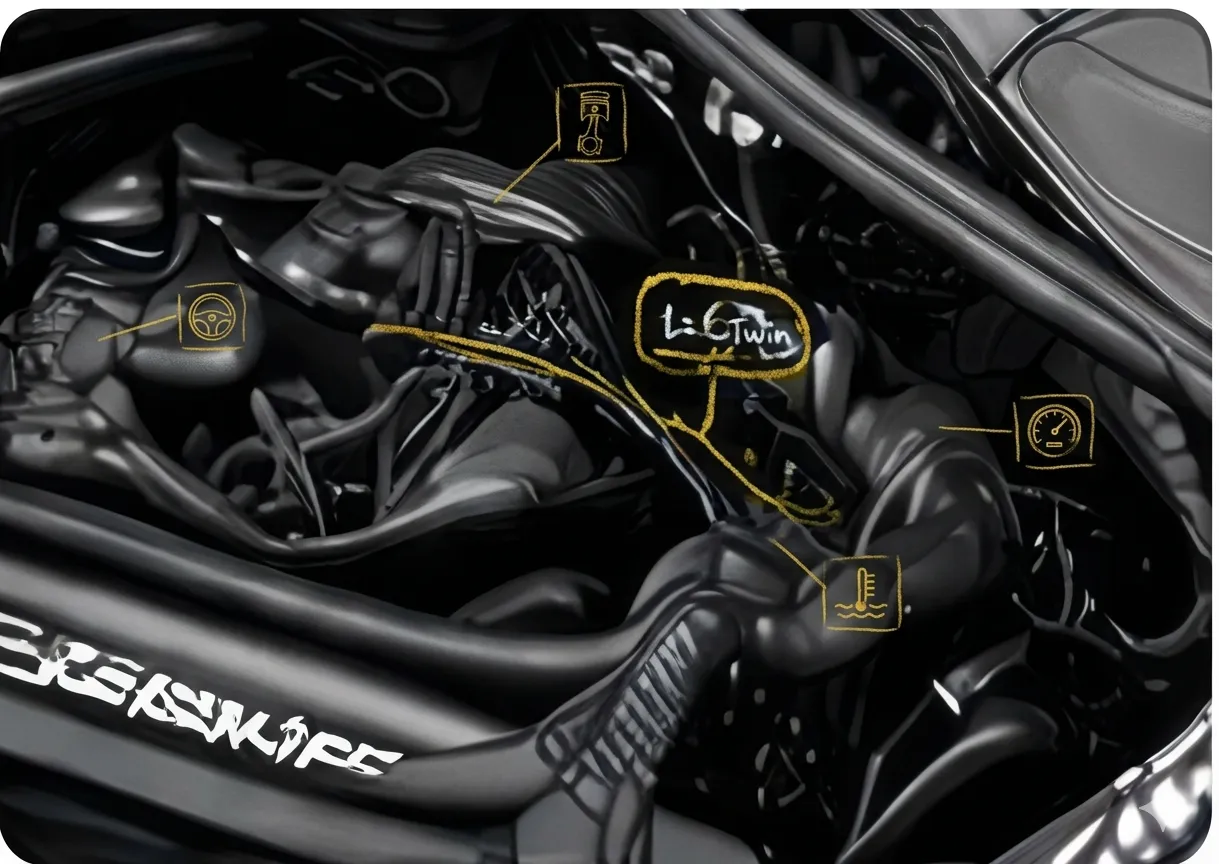
Open the cab and look at the right side of the engine block. The code is stamped on a plate near the injection pump mounting flange. Confirm '4HK1-TC' for Euro 5/6 compliant units.
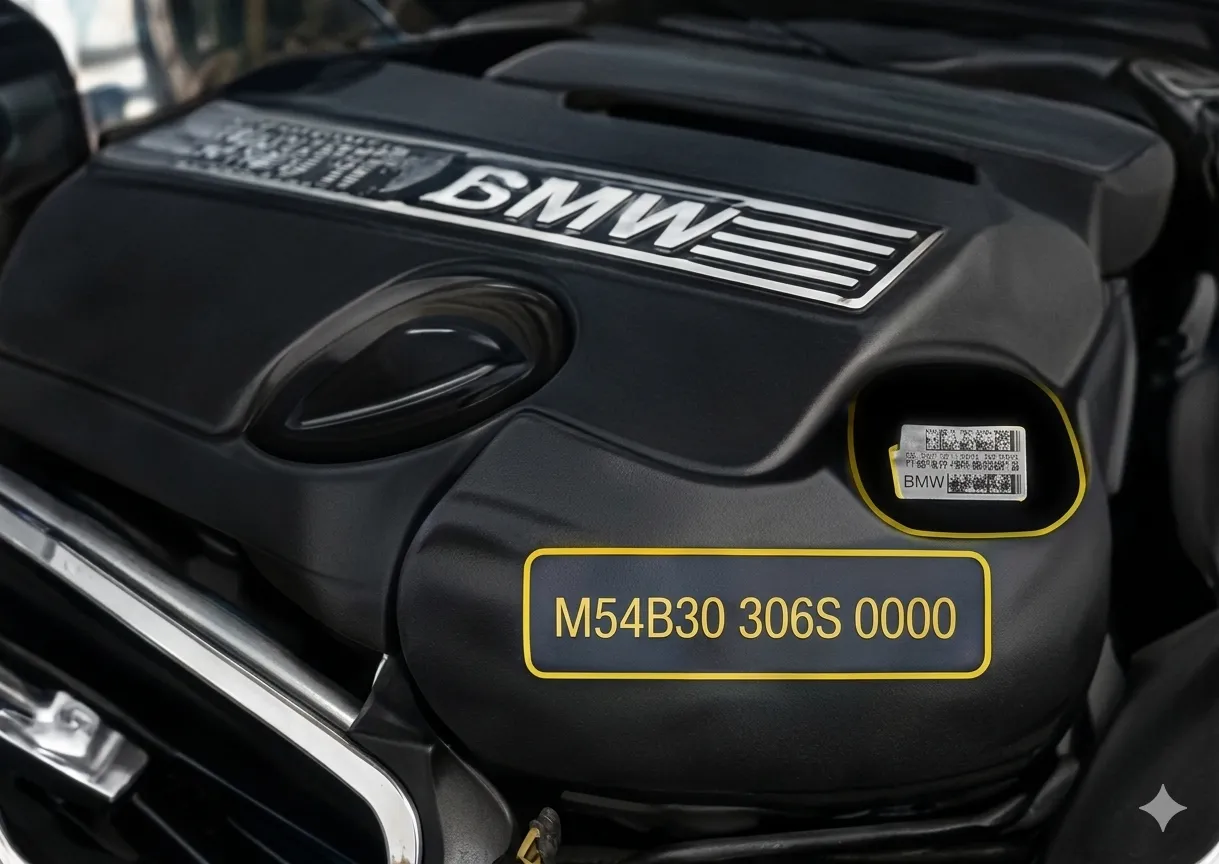
The engine code is cast into the engine block near the fuel injection pump. Look for '4JA1' or '4JA1-T' stamped into the metal. Older mechanically-injected engines may have less visible markings.
Engine code locations per Isuzu Workshop Manual – Engine Identification Section. V5C field definitions from DVLA Guide to Vehicle Registration. VIN structure compliant with EU Regulation (EC) No 715/2007, Article 7.
A technical breakdown of Isuzu's core engine systems including common-rail injection, VNT turbocharging, emissions control architectures and modular 4J-series design with documented reliability impacts. All data sourced from Isuzu Technical Service Information, workshop manuals and EU Regulation (EC) No 715/2007
Isuzu's common-rail system delivers fuel at up to 1,800 bar for precise injection timing and improved combustion efficiency. Introduced on the 4JK1/4JJ1 series, it replaced mechanical injection for better emissions and performance.
A high-pressure pump supplies a shared rail that feeds all injectors. Electronic control enables multiple injection events per cycle (pilot, main, post) for reduced noise, improved torque, and lower emissions.

4JK1 (2005)
1,600 bar pressure, basic ECU control
4JJ1-TC (2007)
1,800 bar, improved injector calibration
4JJ3-TCX (2019)
Piezo injectors, adaptive learning
RZ4E-TC (2017)
Optimised for 1.9L displacement, low-friction design
Injector calibration drift
especially on high-mileage 4JJ1 units; requires professional recalibration
Fuel contamination sensitivity
Common-rail systems require clean fuel; water separator maintenance critical
High-pressure pump wear
Typical service life 200,000+ km with correct oil and filter intervals
Isuzu's common-rail system delivers fuel at up to 1,800 bar for precise injection timing and improved combustion efficiency. Introduced on the 4JK1/4JJ1 series, it replaced mechanical injection for better emissions and performance.
A high-pressure pump supplies a shared rail that feeds all injectors. Electronic control enables multiple injection events per cycle (pilot, main, post) for reduced noise, improved torque, and lower emissions.
4JK1 (2005)
1,600 bar pressure, basic ECU control
4JJ1-TC (2007)
1,800 bar, improved injector calibration
4JJ3-TCX (2019)
Piezo injectors, adaptive learning
RZ4E-TC (2017)
Optimised for 1.9L displacement, low-friction design
Injector calibration drift
especially on high-mileage 4JJ1 units; requires professional recalibration
Fuel contamination sensitivity
Common-rail systems require clean fuel; water separator maintenance critical
High-pressure pump wear
Typical service life 200,000+ km with correct oil and filter intervals
All technical descriptions and failure data sourced from Isuzu Motors Product Technical Reports, Isuzu Workshop Manuals, and EU Regulation (EC) No 715/2007 on vehicle type-approval.
Track BMW engineering across decades
Foundational diesel engines establishing Isuzu's reputation for durability in commercial and off-road applications.

2.5L inline-4 mechanically-injected diesel. Isuzu's workhorse engine for pickups and light commercial vehicles. Simple, durable design with indirect injection. Powers early KB-series pickups globally.
2.8L inline-4 naturally aspirated diesel. Improved torque over 4JA1. Used in Trooper SUV and early Rodeo. Reliable mechanical injection system. Foundation for later turbo variants.
Engine production years verified via Isuzu Motors Production Records and EU type-approval records
Authoritative data on Isuzu's global engine production, plant operations in Japan, Thailand, and partnerships with GM. All figures sourced from Isuzu Group Annual Reports, Sustainability Reports, and EU industrial compliance records.
Isuzu manufactures engines at primary facilities in Japan, Thailand, and via joint venture in the USA, each specialising in specific families.


Isuzu produces approximately 400,000 engines per year globally. Diesel remains dominant (>85%) reflecting commercial vehicle focus. Hybrid/electric integration growing for passenger segments.
Note: Diesel production remains dominant due to Isuzu's commercial vehicle focus. Hybrid/electric integration rising for passenger segments per Isuzu Sustainability Report 2023.
Strategic collaboration since 1 spares Duramax engine development. Isuzu-designed 2.8L and 3.0L diesel engines power Chevrolet Colorado, Express, and Savana across global markets, utilising shared engineering and production resources.
Common-rail injection, VNT turbo, and emissions control systems co-developed
Engines built at DMAX (USA) and Fujisawa (Japan) for global Chevrolet applications
Isuzu-GM Alliance Announcement, Isuzu Motors America Documentation
Shift in production reflects commercial vehicle focus and evolving emissions policy.
This aligns with Commission Regulation (EU) 2017/1151 (WLTP/RDE) and global commercial vehicle emissions policy.
Engine production years verified via Isuzu Group Annual Reports and EU type-approval records
The most common questions about engine codes, what they mean, how to find them and how this database works
An Isuzu engine code (e.g., 4JJ1-TC, 4JK1, RZ4E-TC) identifies the engine family, displacement, fuel type, and generation. Format: First digit = cylinder count (4 = inline-4), letter = series (J = diesel workhorse, R = modern efficiency), number = displacement code (J1 = 3.0L, K1 = 2.5L, Z4E = 1.9L). Suffix: TC = turbocharged, TCX = updated turbo variant. Source: Isuzu Workshop Manual – Engine Identification
Yes, diesel remains Isuzu's core focus. The 4JJ3-TCX (3.0L) and RZ4E-TC (1.9L) are current production engines used in the D-Max pickup and N-Series commercial vehicles. Isuzu continues to develop diesel technology for commercial, industrial, and marine applications globally, with Euro 6d compliance for European markets. Source: Isuzu Group Sustainability Report 2023
The 4JJ1 (3.0L common-rail diesel) is widely regarded as Isuzu's most reliable modern engine, with proven durability in commercial and fleet applications exceeding 300,000 km with proper maintenance. Older mechanically-injected engines like the 4JA1 are also durable but less efficient. Avoid neglecting emissions system maintenance on newer Euro 6 engines.
Most modern Isuzu diesel engines (4JK1, 4JJ1, 4JJ3, RZ4E) use timing chains designed for the life of the engine under normal service conditions. Older engines like the 4JA1 used timing belts requiring replacement at ~100,000 km. Always verify your specific engine code – chain tensioner wear can occur on high-mileage units. Source: Isuzu Workshop Manual – Timing System Service
Technically possible as both share the 4J-series architecture, but requires ECU remapping, wiring harness modifications, and potential transmission compatibility checks. Not recommended without expert tuning. Ensure compliance with UK emissions rules and DVLA notification for engine swaps. Source: DVLA Vehicle Approval Guidelines
On the 4JJ1 or 4JK1 engine, the code is stamped on the engine data plate located on or near the valve cover at the top of the engine. Also check the V5C logbook under 'Engine Number'. For industrial engines, the plate may be on the block side or injection pump mounting flange. Source: Isuzu Workshop Manual – Engine Identification
On the UK V5C registration document, look for the 'Engine Number' field (not VIN). This matches the engine code (e.g., 4JJ1-TC). If the engine was replaced, this may not reflect the current unit. Commercial vehicle registrations may use chassis-based identifiers – verify physically. Source: DVLA Guide to Vehicle Registration
Yes, the 4JJ1 is generally reliable with proper maintenance. Common issues include DPF clogging on short-trip urban use, EGR cooler carbon buildup, and turbocharger wear on high-mileage units. Isuzu issued service bulletins for injector calibration and DPF regeneration procedures. Regular oil changes with correct specification are critical. Source: Isuzu Technical Service Bulletin TSB-2018-042
4JJ1: 3.0L common-rail diesel (2004–2019) – used in D-Max Gen 1-2, commercial vehicles. 4JJ3-TCX: Updated 3.0L (2019–Present) – used in D-Max Gen 3. Both share architecture but 4JJ3 has revised injection system, improved emissions compliance (Euro 6d), and higher torque output.
Yes. The engine code (e.g., 4JJ1-TC) is required for ordering correct parts (injectors, turbo, ECU). Using VIN alone can lead to errors due to market-specific variants. Always verify with the physical engine data plate and consult Isuzu parts catalogues for suffix-specific components.
Yes. Commercial vehicle engines (4HK1, 6HK1) or engines with known issues (early DPF systems) can affect premiums. Insurers use engine type and vehicle use class to assess risk. Always declare correct engine code and vehicle classification.
The 4JJ1 (2004–present) is designed for 300,000+ km with proper maintenance. Known for robust block construction and simple common-rail system. Key service items: fuel filters every 20,000 km, oil changes per spec, DPF regeneration monitoring. Commercial fleet units often exceed 500,000 km.
Yes. All modern Isuzu 4J-series engines (4JK1, 4JJ1, 4JJ3, RZ4E) are interference engines. If the timing chain fails or jumps, valve-to-piston contact is likely causing major internal damage. Immediate towing and professional assessment required.
Euro 5 and Euro 6 compliant 4JJ1-TC (late production), 4JJ3-TCX, and RZ4E-TC engines with DPF systems. Issues typically arise from frequent short trips preventing regeneration, poor fuel quality, or neglected maintenance. Isuzu service bulletins address regeneration procedures and sensor calibration.
Yes, but must be declared to DVLA. Changing engine code (e.g., 4JK1 to 4JJ1) may affect MoT emissions testing, insurance classification, and commercial vehicle certification. Ensure the replacement engine meets the original vehicle's emissions standard. Source: DVLA Engine Change Guidelines
Yes, many industrial and marine engines share codes with vehicle applications (e.g., 4HK1, 6HK1). However, industrial variants may have different ancillary configurations, cooling systems, or emissions equipment. Always verify the full engine model number including suffix for parts compatibility.
The RZ4E-TC (1.9L, 2017–Present) is generally reliable with proper maintenance. Designed for efficiency and Euro 6 compliance. Common considerations: DPF regeneration on urban use, turbocharger maintenance, and using correct low-ash oil. Service interval: 15,000 km or annual in UK conditions.
Position 8 of the Isuzu VIN typically indicates engine family. Example: JAC...8J... → 'J' = 4JJ1 series. Use an Isuzu-specific VIN decoder for accuracy, as generic decoders may not recognise Isuzu's coding system. Source: Isuzu VIN Decoding Guide, NHTSA vPIC
Some are. Mechanically-injected engines like the 4JA1 are simpler and more tolerant of poor maintenance but less efficient and higher emissions. Modern common-rail engines (4JJ1, RZ4E) offer better efficiency, power, and Euro 6 compliance but require higher-quality fuel and stricter maintenance.
Use Isuzu Technical Service Information (TSI), Isuzu Workshop Manuals, or Isuzu Motors America PowerTrain documentation. Public data also available in EU type-approval documents and VCA records. Source: Isuzu Motors Technical Portal, CELEX:32007R0715
The EngineCode.uk is an independent technical resource dedicated to providing accurate, non-commercial engine data for BMW and related powertrains. This section outlines our sources, disclaimers, and compliance policies in accordance with Google's E-E-A-T (Experience, Expertise, Authoritativeness, Trustworthiness) guidelines.
EngineCode.uk is operated by Engine Finders UK Ltd as a standalone reference platform. We are not affiliated with Isuzu Motors Limited, General Motors, Chevrolet, Holden, or any other manufacturer or trademark holder. All content is created independently for educational and diagnostic purposes only. The Isuzu name, logo, and engine codes are trademarks of Isuzu Motors Limited, Tokyo, Japan.
All engine and vehicle images used on this site are for technical identification and educational purposes under fair use principles. If you believe any image infringes your copyright, please contact us at copyrights@enginecode.uk. We will review the claim promptly and remove or license the content as required.
EngineCode.uk complies with the UK General Data Protection Regulation (UK GDPR) and the EU GDPR. We do not collect personal data through this platform unless explicitly provided (e.g., contact forms).
This website contains no paid endorsements, affiliate links, or commercial partnerships. We do not sell parts, services, or recommendations. Our mission is to provide accurate, verifiable, and neutral technical data to support vehicle owners, restorers, and technicians across the UK and Europe.
Information accurate as of 2025