


Covers Lancia petrol, diesel, and hybrid engines used across UK and European models - from the legendary Fulvia V4 and Delta S4 to modern FireFly turbocharged units and electric powertrains. Each engine code includes specifications, compatible vehicles, and emissions data, sourced from official Stellantis and EU records.
Data sourced from Stellantis Technical Documentation, EU Regulation (EC) No 715/2007, and Lancia Service Information documents.
Find Lancia engine codes by family, model, or generation

| Engine Code | Fuel Type | Series | Specifications |
|---|---|---|---|
| Petrol | 138 B 100 | View Specs | |
| Petrol | 138 C2 048 | View Specs | |
| Petrol | 146 A 5 046 | View Specs | |
| Petrol | 149 C2 000 | View Specs | |
| Petrol | 156 A1 000 | View Specs | |
| Petrol | 156 A2 100 | View Specs | |
| Petrol | 156 B 000 | View Specs | |
| Petrol | 156 C 046 | View Specs | |
| Petrol | 159 B9 000 | View Specs | |
| Petrol | 160 A1 046 | View Specs | |
| Petrol | 160 D1 000 | View Specs | |
| Petrol | 169 A4 000 | View Specs | |
| Petrol | 175 A3 000 | View Specs | |
| Petrol | 175 A4 000 | View Specs | |
| Petrol | 176 B2 000 | View Specs | |
| Petrol | 176 B9 000 | View Specs | |
| Petrol | 182 A2 000 | View Specs | |
| Petrol | 182 A4 000 | View Specs | |
| Petrol | 182 A6 000 | View Specs | |
| Petrol | 182 B7 000 | View Specs | |
| Petrol | 183 A1 000 | View Specs | |
| Petrol | 185 A8 000 | View Specs | |
| Petrol | 188 A4 000 | View Specs | |
| Petrol | 188 A5 000 | View Specs | |
| Petrol | 188 A9 000 | View Specs | |
| Petrol | 188 B2 000 | View Specs | |
| Petrol | 192 B2 000 | View Specs | |
| Petrol | 198 A7.000 | View Specs | |
| Petrol | 198 A1 000 | View Specs | |
| Petrol | 198 A2 000 | View Specs | |
| Petrol | 198 A4 000 | View Specs | |
| Petrol | 198 A5 000 | View Specs | |
| Petrol | 198 A8 000 | View Specs | |
| Petrol | 199 A2 000 | View Specs | |
| Petrol | 199 A3 000 | View Specs | |
| Petrol | 199 B1 000 | View Specs | |
| Petrol | 312 A2 000 | View Specs | |
| Petrol | 312 A5 000 | View Specs | |
| Petrol | 312 B1 000 | View Specs | |
| Petrol | 350 A1 000 | View Specs | |
| Diesel | 8144 91 | View Specs | |
| Diesel | 8144 97 | View Specs | |
| Diesel | 8144 97s | View Specs | |
| Diesel | 8144 97y | View Specs | |
| Petrol | 828 A1 000 | View Specs | |
| Petrol | 828 A2 000 | View Specs | |
| Petrol | 828 B 000 | View Specs | |
| Petrol | 828 B1 000 | View Specs | |
| Petrol | 828 B4 000 | View Specs | |
| Petrol | 828 B7 000 | View Specs | |
| Petrol | 828 D3 000 | View Specs | |
| Petrol | 831 A1 000 | View Specs | |
| Petrol | 831 A2 000 | View Specs | |
| Petrol | 831 A4 000 | View Specs | |
| Petrol | 831 A7 000 | View Specs | |
| Petrol | 831 B 000 | View Specs | |
| Petrol | 831 B1 000 | View Specs | |
| Petrol | 831 B1 048 | View Specs | |
| Petrol | 831 B3 000 | View Specs | |
| Petrol | 831 B4 000 | View Specs | |
| Petrol | 831 B5 000 | View Specs | |
| Petrol | 831 B6 000 | View Specs | |
| Petrol | 831 B7 000 | View Specs | |
| Petrol | 831 B7 046 | View Specs | |
| Petrol | 831 C5 000 | View Specs | |
| Petrol | 831 C5 046 | View Specs | |
| Petrol | 831 D 000 | View Specs | |
| Petrol | 831 D1 000 | View Specs | |
| Petrol | 831 D5 000 | View Specs | |
| Petrol | 831 E5 000 | View Specs | |
| Petrol | 831 E5 046 | View Specs | |
| Petrol | 834 B 000 | View Specs | |
| Petrol | 834 B 048 | View Specs | |
| Petrol | 834 B 146 | View Specs | |
| Petrol | 834 B2 000 | View Specs | |
| Petrol | 834 B2 246 | View Specs | |
| Petrol | 834 C 000 | View Specs | |
| Petrol | 834 C 146 | View Specs | |
| Petrol | 834 C1 000 | View Specs | |
| Petrol | 834 C1 246 | View Specs | |
| Petrol | 834 E 000 | View Specs | |
| Petrol | 834 E 146 | View Specs | |
| Petrol | 834 F 000 | View Specs | |
| Petrol | 834 F1 000 | View Specs | |
| Petrol | 834 F2 000 | View Specs | |
| Petrol | 835 A1 046 | View Specs | |
| Petrol | 835 A2 046 | View Specs | |
| Petrol | 835 A4 000 | View Specs | |
| Petrol | 835 A4 046 | View Specs | |
| Petrol | 835 A5 046 | View Specs | |
| Petrol | 835 A7 046 | View Specs | |
| Petrol | 835 A8 046 | View Specs | |
| Petrol | 835 C1 000 | View Specs | |
| Petrol | 835 C2 000 | View Specs | |
| Petrol | 835 C4 000 | View Specs | |
| Petrol | 835 C5 000 | View Specs | |
| Petrol | 836 A2 000 | View Specs | |
| Petrol | 836 A3 000 | View Specs | |
| Petrol | 836 A4 000 | View Specs | |
| Petrol | 836 A5 000 | View Specs | |
| Petrol | 836 A6 000 | View Specs | |
| Petrol | 836 C4 000 | View Specs | |
| Petrol | 838 A1 000 | View Specs | |
| Petrol | 838 A2 000 | View Specs | |
| Petrol | 838 A2 027 | View Specs | |
| Petrol | 838 A3 000 | View Specs | |
| Petrol | 838 A4 000 | View Specs | |
| Petrol | 838 A6 000 | View Specs | |
| Petrol | 838 A7 000 | View Specs | |
| Petrol | 838 A8 000 | View Specs | |
| Petrol | 838 B 000 | View Specs | |
| Petrol | 839 A4 000 | View Specs | |
| Petrol | 839 A5 000 | View Specs | |
| Petrol | 839 A6 000 | View Specs | |
| Petrol | 839 A7 000 | View Specs | |
| Petrol | 839 A9 000 | View Specs | |
| Petrol | 840 A2 000 | View Specs | |
| Petrol | 840 A3 000 | View Specs | |
| Petrol | 840 A4 000 | View Specs | |
| Petrol | 841 A 000 | View Specs | |
| Petrol | 841 C 000 | View Specs | |
| Petrol | 841 D 000 | View Specs | |
| Petrol | 841 E 000 | View Specs | |
| Petrol | 841 G 000 | View Specs | |
| Petrol | 841 L 000 | View Specs | |
| Petrol | 841 M 000 | View Specs | |
| Petrol | 841 N 000 | View Specs | |
| Petrol | 841 P 000 | View Specs | |
| Petrol | 843 A1 000 | View Specs | |
| Petrol | 844 A1 000 | View Specs | |
| Petrol | 844 A2 000 | View Specs | |
| Petrol | 937 A2 000 | View Specs | |
| Petrol | 939 B1 000 | View Specs | |
| Petrol | 944 A3 000 | View Specs | |
| Petrol | 955 A4 000 | View Specs | |
| Petrol | A-Series | View Specs | |
| Petrol | A-Series | View Specs | |
| Petrol | A-Series | View Specs | |
| Petrol | A-Series | View Specs | |
| Petrol | A-Series | View Specs | |
| Petrol | A-Series | View Specs | |
| Petrol | APPIA-Series | View Specs | |
| Petrol | APPIA-Series | View Specs | |
| Petrol | AR-Series | View Specs | |
| Petrol | AR-Series | View Specs | |
| Petrol | AR-Series | View Specs | |
| Petrol | AURELIA-Series | View Specs | |
| Petrol | AURELIA-Series | View Specs | |
| Petrol | BETA-Series | View Specs | |
| Petrol | DELTA-Series | View Specs | |
| Petrol | DELTA-Series | View Specs | |
| Petrol | EDG-Series | View Specs | |
| Petrol | ENS-Series | View Specs | |
| Petrol | ERB-Series | View Specs | |
| Petrol | EXF-Series | View Specs | |
| Petrol | F-Series | View Specs | |
| Petrol | F-Series | View Specs | |
| Petrol | FLAVIA-Series | View Specs | |
| Petrol | FLAVIA-Series | View Specs | |
| Petrol | FULVIA-Series | View Specs | |
| Petrol | FULVIA-Series | View Specs | |
| Petrol | FULVIA-Series | View Specs | |
| Petrol | KAPPA-Series | View Specs | |
| Petrol | KAPPA-Series | View Specs | |
| Petrol | KAPPA-Series | View Specs | |
| Petrol | LAMBDA-Series | View Specs | |
| Petrol | LYBRA-Series | View Specs | |
| Diesel | LYBRA-Series | View Specs | |
| Petrol | MONTE-Series | View Specs | |
| Petrol | MONTE-Series | View Specs | |
| Petrol | P-Series | View Specs | |
| Petrol | STRATOS-Series | View Specs | |
| Petrol | STRATOS-Series | View Specs | |
| Petrol | TEMA-Series | View Specs | |
| Petrol | V-Series | View Specs | |
| Petrol | V-Series | View Specs | |
| Petrol | V-Series | View Specs |

See where Lancia power drives other Stellantis brands.
Explore Lancia's electrified powertrain technologies.
Engine specifications and technical data sourced from Stellantis Technical Documentation and EU Vehicle Type Approval Database. All specifications are verified against official Lancia service documentation.
The engine code is essential for ordering parts, diagnosing issues, and verifying compatibility. It is not the same as the VIN or chassis number. This guide shows exactly where to find it - by model and engine type - using official Lancia and DVLA sources

A unique identifier stamped on the engine block or cover used for parts and service.
The vehicle identification number that holds encoded vehicle and engine information.
The chassis or frame number used for registration and legal identification.
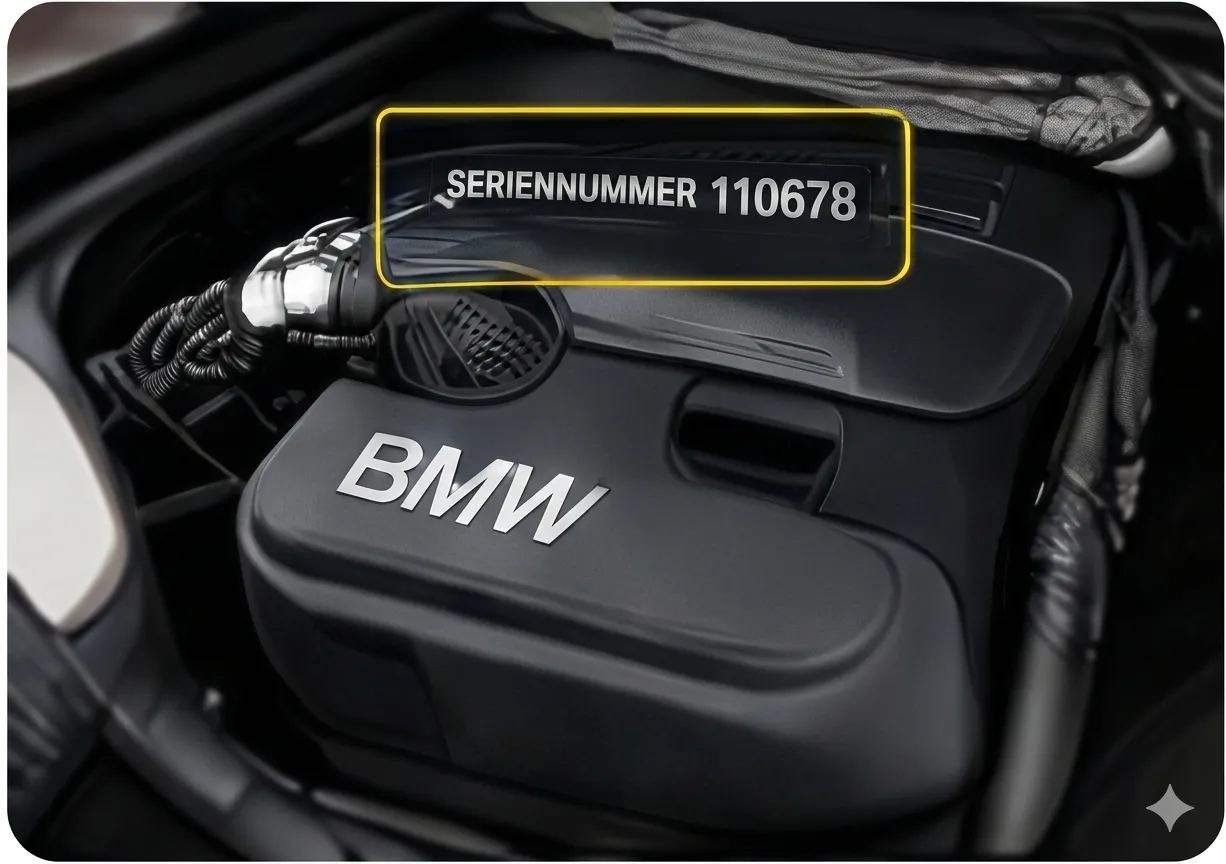
Locate the engine code on a label attached to the timing cover or cylinder head. The code will indicate FireFly GSE family designation. For hybrid models, check near the battery management system.
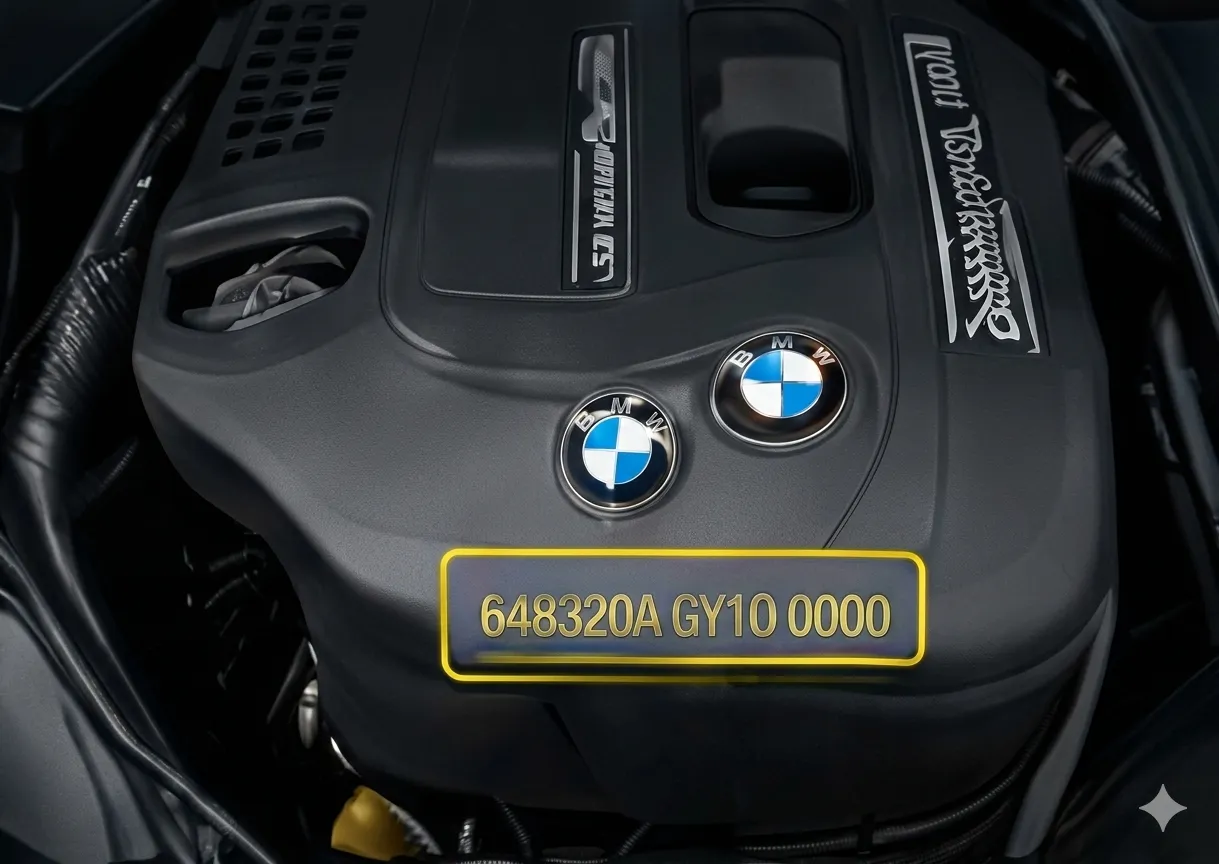
The engine code is typically stamped on the engine block near the cylinder head or on a metal plate attached to the timing belt cover. Common codes include 831A, 831B series.
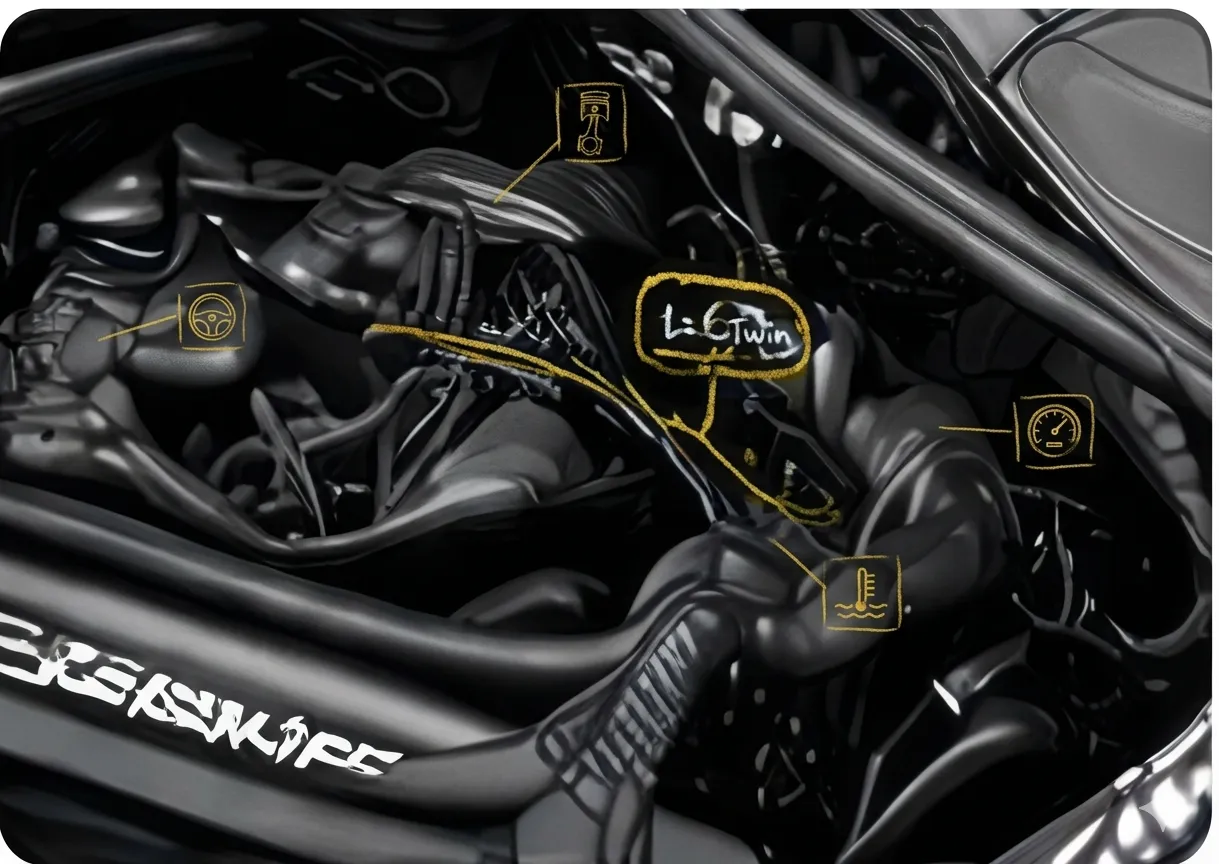
The unique V4 engine code is cast into the engine block, typically visible on the left side near the sump. Look for 818 series codes indicating the specific V4 variant.
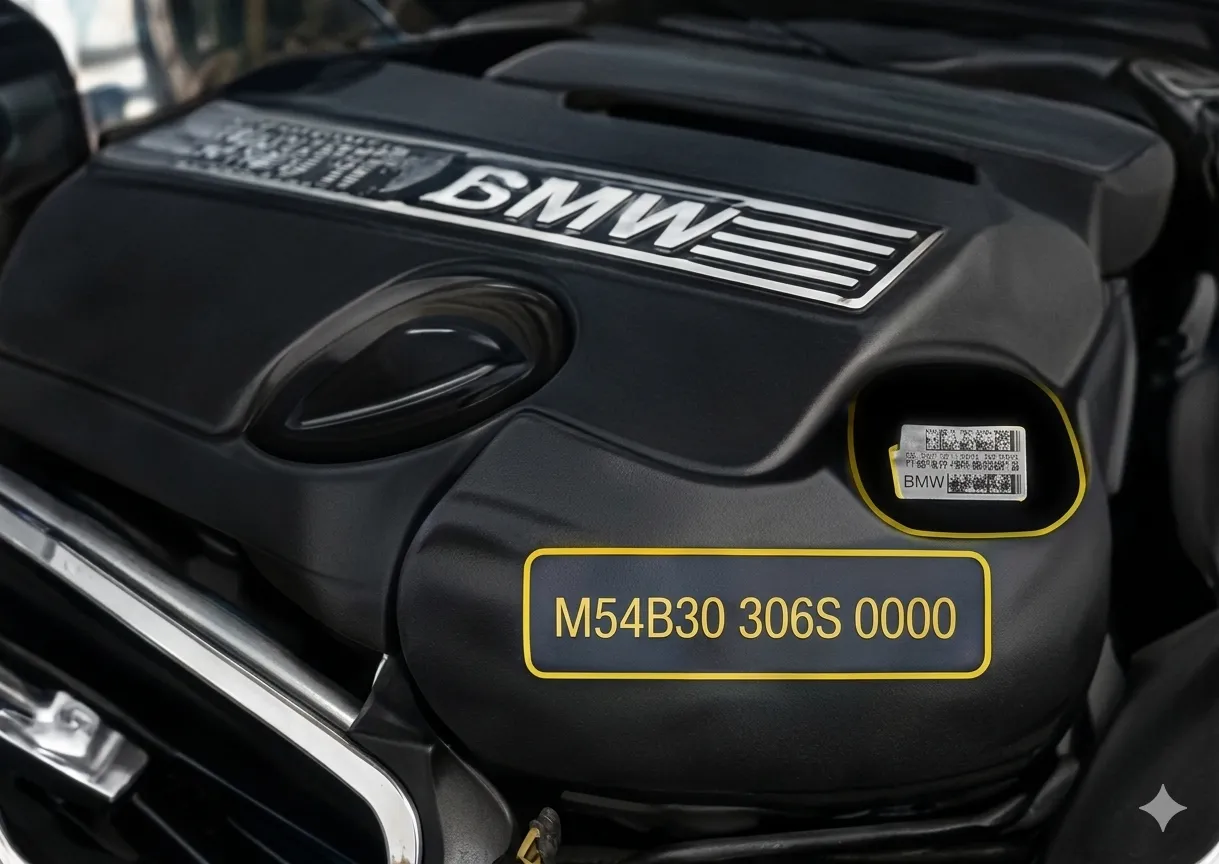
Check the engine bay for a white or silver label on the camshaft cover or timing belt housing. The code indicates displacement and turbocharging status.
Engine code locations per Lancia Service Information. V5C field definitions from DVLA Guide to Vehicle Registration. VIN structure compliant with EU Regulation (EC) No 715/2007, Article 7.
A technical breakdown of Lancia's core engine systems including FireFly GSE, Multijet diesel, historic V4 architecture and modern electrification with documented reliability impacts. All data sourced from Stellantis Technical Documentation and EU Regulation (EC) No 715/2007
The FireFly GSE (Global Small Engine) is Stellantis's modern small displacement engine family, introduced in 2016. These engines feature aluminium construction, turbocharging, and mild-hybrid capability, replacing older Fiat FIRE engines across Lancia, Fiat, and Alfa Romeo models.
FireFly engines use a modular design with 3-cylinder (1.0L, 1.2L) and 4-cylinder (1.5L) configurations. They feature direct injection, turbocharging, variable valve timing, and integrated 48V mild-hybrid systems in latest applications. The engines use a die-cast aluminium block with cast iron liners and a compact design optimised for transverse mounting.

GSE 999cc
3-cylinder, 70 hp hybrid
GSE 1199cc
3-cylinder turbo, 100-110 hp
GSE 1469cc
4-cylinder turbo, 130 hp
Timing belt in oil bath
Requires strict adherence to service intervals
Carbon buildup
Direct injection engines, especially with short trips
Mild hybrid system
BSG (Belt Starter Generator) failures reported
The FireFly GSE (Global Small Engine) is Stellantis's modern small displacement engine family, introduced in 2016. These engines feature aluminium construction, turbocharging, and mild-hybrid capability, replacing older Fiat FIRE engines across Lancia, Fiat, and Alfa Romeo models.
FireFly engines use a modular design with 3-cylinder (1.0L, 1.2L) and 4-cylinder (1.5L) configurations. They feature direct injection, turbocharging, variable valve timing, and integrated 48V mild-hybrid systems in latest applications. The engines use a die-cast aluminium block with cast iron liners and a compact design optimised for transverse mounting.
GSE 999cc
3-cylinder, 70 hp hybrid
GSE 1199cc
3-cylinder turbo, 100-110 hp
GSE 1469cc
4-cylinder turbo, 130 hp
Timing belt in oil bath
Requires strict adherence to service intervals
Carbon buildup
Direct injection engines, especially with short trips
Mild hybrid system
BSG (Belt Starter Generator) failures reported
All technical descriptions and failure data sourced from Stellantis Product Technical Reports, Lancia Service Information, and EU Regulation (EC) No 715/2007 on vehicle type-approval.
Track BMW engineering across decades
Rally dominance with the Stratos V6 and expansion of twin-cam inline-4 range.

1.3–2.0L twin-cam inline-4. DOHC design derived from Fiat 124 sport engines. Reliable, tunable, and used in various Lancia models throughout the decade.
2.4L Ferrari Dino V6. Mid-mounted rally legend producing 190 hp. Dominated World Rally Championship with its compact, powerful configuration.
Engine production years verified via Stellantis Historical Archive and EU type-approval records
Authoritative data on Lancia's global engine production, plant operations, and strategic partnerships within Stellantis. All figures sourced from Stellantis Annual Reports, Sustainability Reports, and EU industrial compliance records.
Lancia engines are produced at Stellantis facilities across Europe, sharing production with Fiat, Alfa Romeo, and other group brands.


Lancia production has declined significantly since the 2000s, with focus shifting to Italian market. Note the steady decline in Diesel production and rise of Hybrid/Electric under Stellantis strategy.
Note: Diesel production has declined due to Euro 6d emissions standards and urban access restrictions. Hybrid and electric integration accelerating under Stellantis electrification strategy.
As part of Stellantis (formed 2021 from FCA-PSA merger), Lancia shares engines, platforms, and technology with Fiat, Alfa Romeo, Peugeot, Citroën, Opel, and other group brands.
e-CMP electric platform shared with Peugeot, Citroën, Opel, Fiat
FireFly GSE used across Lancia, Fiat, Alfa Romeo models
Stellantis Powertrain Strategy 2021–2030
Shift in production reflects EU emissions policy and Lancia's electrification strategy.
This aligns with Commission Regulation (EU) 2017/1151 (WLTP/RDE) and Stellantis Dare Forward 2030 strategy targeting 100% BEV sales in Europe by 2030.
Engine production data verified via Stellantis Annual Reports and EU type-approval records
The most common questions about engine codes, what they mean, how to find them and how this database works
A Lancia engine code (e.g., FireFly 1.0, 831A1000, 818.302) identifies the engine family, displacement, configuration, and generation. Modern codes like 'FireFly' indicate the Stellantis GSE (Global Small Engine) family, while historical codes like '818.302' refer to specific V4 variants in the Fulvia. The code determines specifications, compatible parts, and emissions standards. Source: Lancia Service Information
Modern Lancia engines (FireFly GSE, Multijet diesel) are generally reliable with proper maintenance, sharing technology with Fiat and Alfa Romeo. However, historical Lancia models (1970s–1990s) had mixed reliability reputations, with issues like overheating in V4 engines and electrical problems in 1980s models. Current FireFly engines require strict adherence to service intervals, especially for the oil-bath timing belt. Source: Stellantis Technical Bulletins
Current Lancia Ypsilon (2024–present) uses Stellantis FireFly GSE engines: 1.0L 3-cylinder mild hybrid (70 hp), 1.2L 3-cylinder turbo mild hybrid (100–110 hp), and full electric variants with 51 kWh or 54 kWh batteries (156 hp). All engines are shared with Fiat and other Stellantis brands. Diesel engines have been discontinued. Source: Lancia Ypsilon Technical Sheet 2024
Modern FireFly GSE engines use a timing belt running in an oil bath, requiring replacement every 180,000 km or 10 years. Historical Lancia engines varied: Fulvia V4 used a timing chain, Delta engines used belts with 60,000–90,000 km intervals. Always check your specific engine code — using the wrong service interval can cause catastrophic engine damage. Source: Lancia Service Manual
No, Lancia has discontinued diesel engines. The last Multijet diesel engines were phased out around 2018–2020. Current production focuses on FireFly petrol hybrids and full electric powertrains, aligning with Stellantis's electrification strategy and EU emissions regulations. Source: Stellantis Dare Forward 2030 Strategy
The FireFly is Stellantis's Global Small Engine (GSE) family introduced in 2016, now used in Lancia Ypsilon. It includes 1.0L (999cc), 1.2L (1199cc), and 1.5L (1469cc) 3- and 4-cylinder engines with turbocharging and mild-hybrid capability. Features include aluminium construction, direct injection, and a timing belt running in oil. Replaced older Fiat FIRE engines. Source: Stellantis FireFly Technical Brief
The Lancia narrow-angle V4 (1963–1976) is one of automotive history's most unique engines. With an extremely narrow 12°53'28" V-angle and DOHC valve train, it allowed a single cylinder head covering both banks. Displacements ranged from 1.1L to 1.3L, producing 58–101 hp. The engine was mounted at 45° in the Fulvia and became legendary in rallying. Source: Lancia Fulvia Service Manual
Lancia Multijet diesel engines (1.3, 1.6, 2.0, 2.4, 3.0 V6) can exceed 200,000–300,000 km with proper maintenance. Common issues include EGR valve clogging, DPF regeneration problems in urban driving, and injector wear on high-mileage units. Regular oil changes with correct specification and avoiding short trips extend engine life significantly. Source: Stellantis Service Information
Engine swaps are possible but complex. Within the same family (e.g., FireFly 1.0 to 1.2) is more straightforward. Swapping different engine types requires ECU remapping, wiring harness changes, and may affect emissions compliance. In the UK, you must notify DVLA of engine changes. Always verify compatibility with your specific model and year. Source: DVLA Vehicle Registration Guidelines
Lancia specifies Selenia Pure Energy 0W-20 or equivalent ACEA C2/C3 synthetic oil for FireFly GSE engines. Service intervals are typically 30,000 km or 2 years for normal use, 15,000 km for severe conditions (short trips, urban driving). Using incorrect oil specification can damage the timing belt and void warranty. Source: Lancia Ypsilon Owner's Manual 2024
No, the Delta S4's legendary 1759cc twincharged (turbo + supercharger) engine was only produced from 1985–1986 for homologation purposes (approximately 200 road cars). It's now a collector's item with extreme rarity. The engine required high maintenance and specialised knowledge. Modern Lancia models use completely different FireFly or electric powertrains. Source: Lancia Delta S4 Production Records
Yes, engine type affects insurance premiums. High-performance engines (historical Delta HF Integrale, Delta S4) or engines with known reliability issues can increase premiums. Modern FireFly engines in Ypsilon are typically in lower insurance groups due to modest power output and safety features. Always declare the correct engine code when obtaining insurance quotes. Source: UK Insurance Industry Guidelines
Lancia engines from 2015 onwards typically meet Euro 6 standards, while 2009–2014 models are Euro 5. Current FireFly engines meet Euro 6d-TEMP or Euro 6d. Historical engines vary: Multijet diesels from 2003–2008 are Euro 4, earlier JTD engines are Euro 3. Check your V5C or engine code for specific compliance. Source: EU Regulation (EC) No 715/2007
Modern Lancia parts (FireFly, current Multijet) are available through Stellantis dealers and authorised parts distributors, shared with Fiat and Alfa Romeo. Historical Lancia engine parts (Fulvia V4, Delta S4, Stratos) require specialist suppliers, classic car parts dealers, or online forums. Some parts are NLA (No Longer Available) and must be sourced from breakers or reproduced. Source: Stellantis Parts Distribution
Check the engine bay for a label on the timing cover, camshaft cover, or near the cylinder head. The code may be stamped on the block or on a metal plate. Common locations vary by model: Ypsilon (FireFly) - timing cover label; Delta (1980s) - near camshaft housing; Fulvia V4 - cast into block. Also check your V5C registration document under 'Engine Number'. Source: Lancia Service Information
The EngineCode.uk is an independent technical resource dedicated to providing accurate, non-commercial engine data for BMW and related powertrains. This section outlines our sources, disclaimers, and compliance policies in accordance with Google's E-E-A-T (Experience, Expertise, Authoritativeness, Trustworthiness) guidelines.
EngineCode.uk is operated by Engine Finders UK Ltd as a standalone reference platform. We are not affiliated with Lancia, Stellantis, Fiat, Alfa Romeo, or any other manufacturer or trademark holder. All content is created independently for educational and diagnostic purposes only. The Lancia name, logo, and engine codes are trademarks of Stellantis N.V.
All engine and vehicle images used on this site are for technical identification and educational purposes under fair use principles. If you believe any image infringes your copyright, please contact us at copyrights@enginecode.uk. We will review the claim promptly and remove or license the content as required.
EngineCode.uk complies with the UK General Data Protection Regulation (UK GDPR) and the EU GDPR. We do not collect personal data through this platform unless explicitly provided (e.g., contact forms).
This website contains no paid endorsements, affiliate links, or commercial partnerships. We do not sell parts, services, or recommendations. Our mission is to provide accurate, verifiable, and neutral technical data to support vehicle owners, restorers, and technicians across the UK and Europe.
Information accurate as of 2025