


Covers Lotus petrol, supercharged, and hybrid engines used across UK and European models - from the Twin Cam to Toyota-sourced units and the AMG V8 Emira. Each engine code includes specifications, compatible vehicles, and emissions data, sourced from official Lotus, Toyota, and EU records.
Data sourced from Lotus Technical Documentation, Toyota TIS, Mercedes-AMG Specifications, EU Regulation (EC) No 715/2007, and VCA Type Approval Database.
Find Lotus engine codes by family, model, or supplier origin

| Engine Code | Fuel Type | Series | Specifications |
|---|---|---|---|
| Petrol | 102 | View Specs | |
| Petrol | 107 | View Specs | |
| Petrol | 61 | View Specs | |
| Petrol | 88 | View Specs | |
| Petrol | 95 | View Specs | |
| Petrol | LOTUS-Series | View Specs | |
| Petrol | LOTUS-Series | View Specs | |
| Petrol | LOTUS-Series | View Specs | |
| Petrol | LOTUS-Series | View Specs | |
| Petrol | LOTUS-Series | View Specs | |
| Petrol | TYPE-Series | View Specs | |
| Petrol | TYPE-Series | View Specs | |
| Petrol | TYPE-Series | View Specs | |
| Petrol | TYPE-Series | View Specs | |
| Petrol | TYPE-Series | View Specs | |
| Petrol | TYPE-Series | View Specs | |
| Petrol | TYPE-Series | View Specs | |
| Petrol | TYPE-Series | View Specs | |
| Petrol | TYPE-Series | View Specs | |
| Petrol | TYPE-Series | View Specs | |
| Petrol | TYPE-Series | View Specs | |
| Petrol | V-Series | View Specs | |
| Petrol | V-Series | View Specs |

See where Toyota and Mercedes-AMG power Lotus sports cars.
Explore Lotus's electrification strategy and Evija hypercar.
Engine specifications and technical data sourced from Lotus Technical Documentation, Toyota TIS, Mercedes-AMG Specifications, and VCA Type Approval Database. All specifications are verified against official service documentation.
The engine code is essential for ordering parts, diagnosing issues, and verifying compatibility. It is not the same as the VIN or chassis number. This guide shows exactly where to find it - by model and engine type - using official Lotus, Toyota, and DVLA sources

A unique identifier stamped on the engine block or cover used for parts and service.
The vehicle identification number that holds encoded vehicle and engine information.
The chassis or frame number used for registration and legal identification.
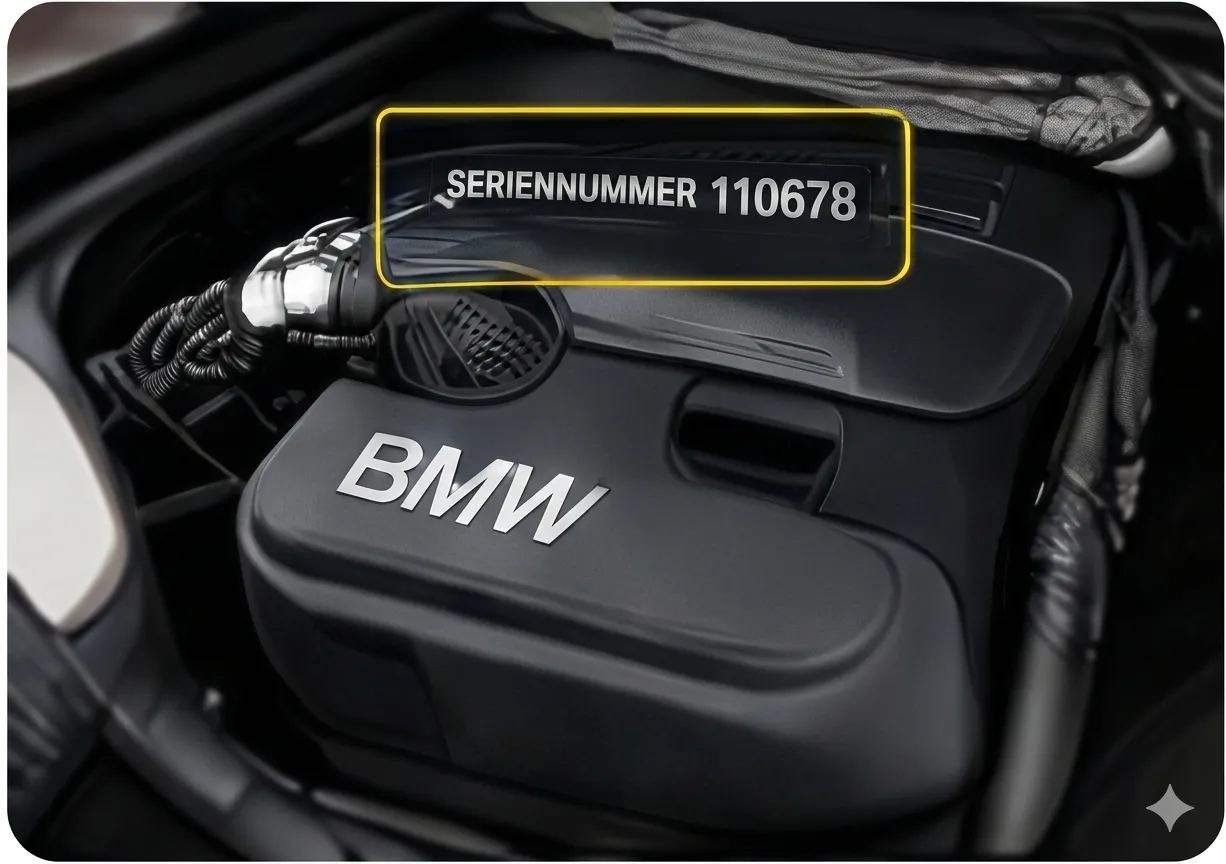
Locate the engine code on the valve cover label or stamped on the engine block near the transmission bellhousing. The code reads '2ZZ-GE' followed by a serial number.
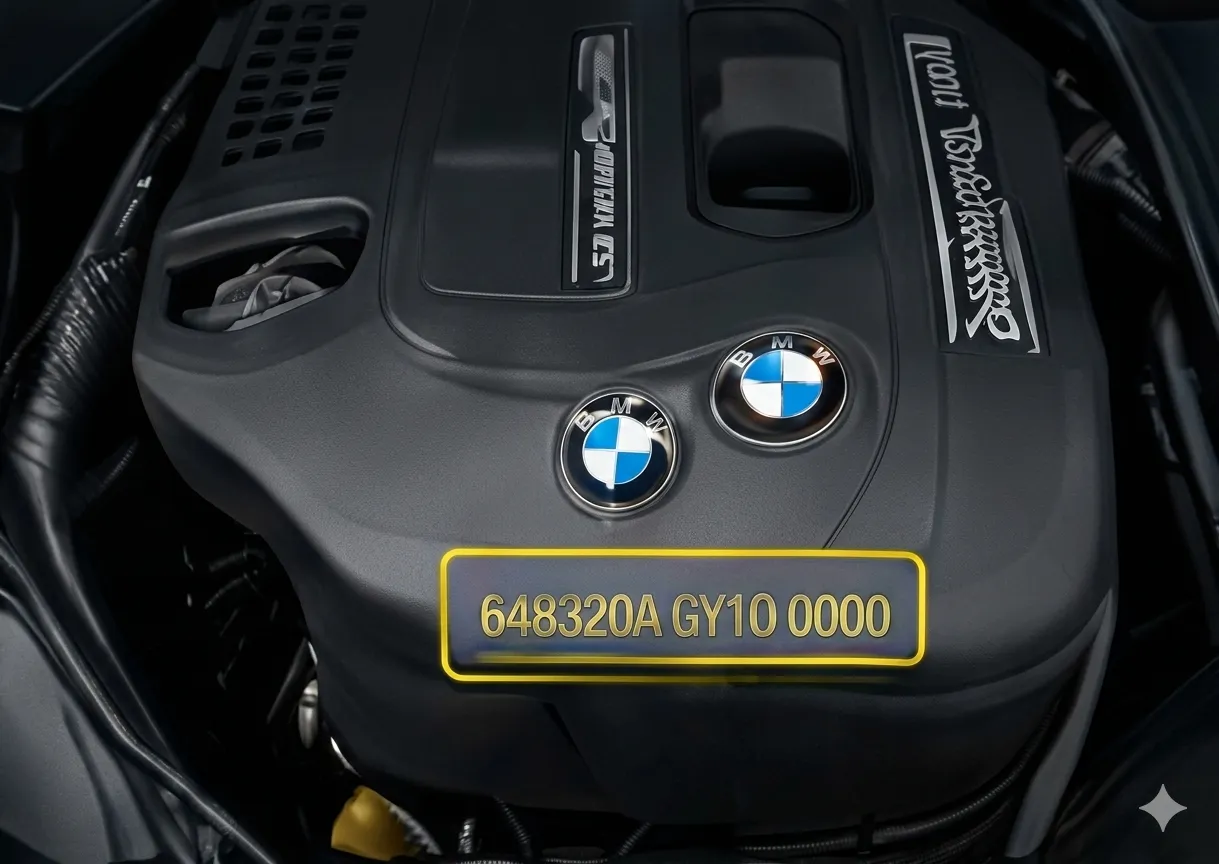
The engine code is located on a label attached to the supercharger housing or stamped on the engine block. It reads '2GR-FZE' for the supercharged variant.
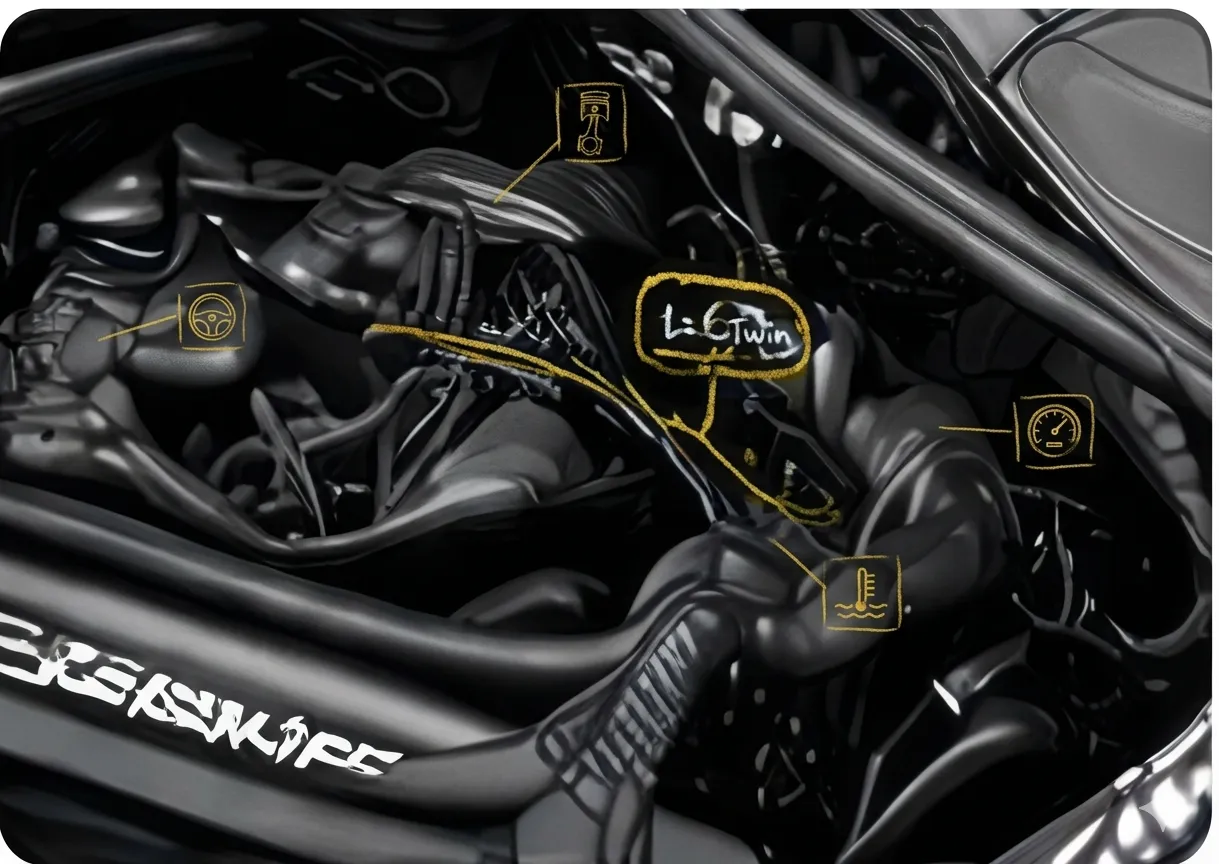
Open the rear engine cover and look at the engine block. The Mercedes-AMG code 'M177' is stamped on the block near the oil filter housing. Confirm variant suffix (e.g., M177 DE40 AL).
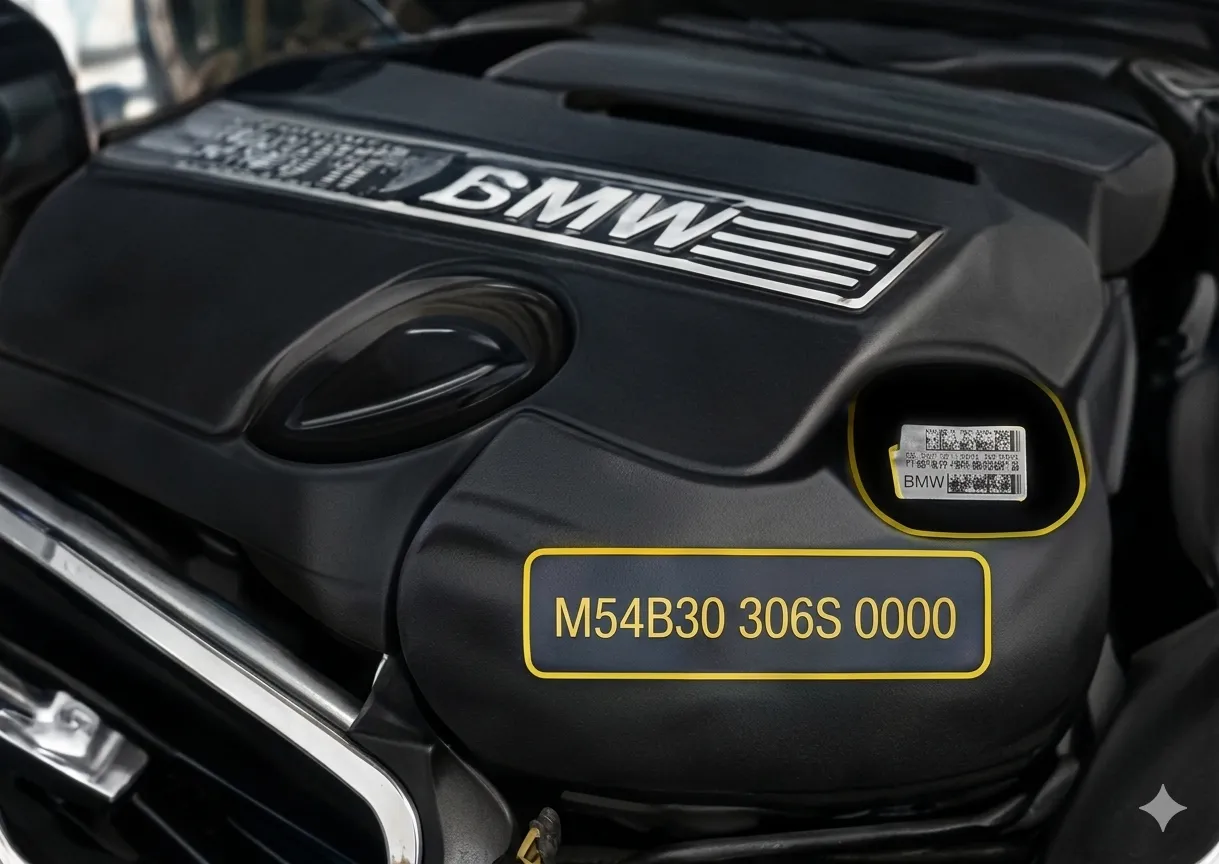
The engine code is stamped on the front of the engine block, visible from the wheel arch. Look for '2GR-FZE' casting or label. Toyota-sourced engines follow Toyota coding conventions.
Engine code locations per Lotus Technical Documentation and Toyota TIS. V5C field definitions from DVLA Guide to Vehicle Registration. VIN structure compliant with EU Regulation (EC) No 715/2007, Article 7.
A technical breakdown of Lotus's core engine systems including VVTL-i, supercharging, timing architectures and lightweight engineering with documented reliability impacts. All data sourced from Lotus Technical Documentation, Toyota TIS and EU Regulation (EC) No 715/2007
Toyota's VVTL-i system, used in the Lotus 2ZZ-GE, combines variable valve timing with a mechanical lift mechanism that engages at high RPM for increased power. Introduced in 2000, it delivers peak power above 6,200 RPM.
An eccentric cam lobe and rocker arm assembly engage via a locking pin when oil pressure and RPM thresholds are met, switching from low-lift to high-lift cam profile. Requires precise oil pressure and quality.

2ZZ-GE (2000)
Mechanical lift engagement
2ZZ-GE (2004+)
Improved oil control, Lotus calibration
Lift bolt wear
Can cause loss of high-RPM power; check at 60k miles
Rocker arm wear
From oil neglect; requires valve cover inspection
Oil pressure sensitivity
Use fully synthetic 5W-30; change every 5,000 miles
Toyota's VVTL-i system, used in the Lotus 2ZZ-GE, combines variable valve timing with a mechanical lift mechanism that engages at high RPM for increased power. Introduced in 2000, it delivers peak power above 6,200 RPM.
An eccentric cam lobe and rocker arm assembly engage via a locking pin when oil pressure and RPM thresholds are met, switching from low-lift to high-lift cam profile. Requires precise oil pressure and quality.
2ZZ-GE (2000)
Mechanical lift engagement
2ZZ-GE (2004+)
Improved oil control, Lotus calibration
Lift bolt wear
Can cause loss of high-RPM power; check at 60k miles
Rocker arm wear
From oil neglect; requires valve cover inspection
Oil pressure sensitivity
Use fully synthetic 5W-30; change every 5,000 miles
All technical descriptions and failure data sourced from Lotus Technical Documentation, Toyota TIS Service Information, Mercedes-AMG Technical Specifications, and EU Regulation (EC) No 715/2007 on vehicle type-approval.
Track BMW engineering across decades
Foundational in-house engines establishing Lotus's lightweight engineering philosophy.

1.6L inline-4 DOHC petrol. Lotus-Ford collaboration. Lightweight, high-revving. Powered iconic Elan. Basis for Lotus racing success.
2.0L inline-4 DOHC aluminium block. Lotus's first in-house engine. Lightweight design. Foundation for 900-series family.
Engine production years verified via Lotus Technical Documentation, Toyota TIS, and VCA type-approval records
Authoritative data on Lotus's global engine sourcing, Hethel plant operations, and strategic partnerships with Toyota and Mercedes-AMG. All figures sourced from Lotus Group reports, Toyota production data, and EU industrial compliance records.
Lotus final assembly occurs at Hethel (UK), with engines sourced from Toyota (Japan) and Mercedes-AMG (Germany).


Lotus produces ~2,000 vehicles annually in the Emira era. Note the transition from Toyota-sourced engines (Elise/Exige/Evora) to Mercedes-AMG and in-house powertrains (Emira).
Note: Production volumes reflect Lotus's low-volume, high-value strategy. Transition aligns with Geely Group electrification roadmap and EU emissions policy.
Lotus has maintained strategic engine supply partnerships with Toyota (2004–2021) and Mercedes-AMG (2022–Present) to access proven, high-performance powertrains while focusing on chassis dynamics.
VVTL-i variable valve lift, supercharger integration, Lotus calibration
Engines built by Toyota, shipped to Hethel for Lotus-specific integration
Lotus Cars Partnership Announcements, Toyota Motor Corporation Press Releases
Shift in production reflects Lotus's transition to new powertrain strategy under Geely ownership.
This aligns with Geely Group electrification strategy and EU 2035 ICE phase-out roadmap.
Engine production data verified via Lotus Cars Production Reports, Geely Holding Group Sustainability Reports, and VCA type-approval records.
The most common questions about engine codes, what they mean, how to find them and how this database works
A Lotus engine code identifies the powertrain source and specification. In-house codes (e.g., 907, 912) denote Lotus-developed engines. Toyota-sourced codes (2ZZ-GE, 2GR-FE) follow Toyota nomenclature. Mercedes-AMG codes (M177) follow Mercedes format. Always verify the full code when ordering parts. Source: Lotus Technical Documentation, Toyota TIS
Yes. The Toyota 2ZZ-GE (Elise/Exige 111R) and 2GR-FE (Exige S, Evora) are widely regarded as highly reliable. The 2ZZ-GE features VVTL-i variable valve lift; the 2GR-FE is a robust supercharged V6. Both benefit from Toyota's proven engineering. Regular oil changes and supercharger maintenance (if fitted) are critical. Source: Toyota TIS, Lotus Service Bulletins
The Toyota 2GR-FE supercharged V6 (used in Exige S, Evora) is widely regarded as Lotus's most reliable modern engine. Older naturally aspirated Lotus 900-series engines are also durable if maintained. The Mercedes-AMG M177 in the Emira V8 is robust but complex. Avoid neglecting supercharger or cooling system service.
Most modern Lotus engines use timing chains. The Toyota 2ZZ-GE and 2GR-FE use chains designed for the engine's life. Older Lotus 900-series engines also use chains. Always verify your specific engine code – chain tensioner wear can occur on high-mileage units. Source: Toyota TIS, Lotus Service Manual
Technically possible but complex. Requires ECU remapping, wiring harness adaptation, and mount modifications. The 2ZZ-GE is a popular swap for Elise/Exige. Ensure compliance with UK emissions rules and DVLA notification for engine changes. Source: DVLA Vehicle Approval Guidelines
On Toyota-sourced engines (2ZZ-GE, 1ZZ-FE), the code is stamped on the engine block near the transmission bellhousing or on a label on the valve cover. Also check the V5C logbook under 'Engine Number'. Source: Lotus Owner's Manual, Toyota TIS
On the UK V5C registration document, look for the 'Engine Number' field (not VIN). This matches the engine code (e.g., 2ZZ-GE, 2GR-FZE). If the engine was replaced, this may not reflect the current unit. Always verify physically. Source: DVLA Guide to Vehicle Registration
The Eaton M45/M62 superchargers used on Lotus 2GR-FE engines are robust when maintained. Common issues include coupler wear (~80,000 miles) and intercooler pump failure. Regular oil changes and supercharger fluid checks are essential. Source: Lotus Service Bulletin LS-2018-07, Toyota TIS
2ZZ-GE: 1.8L inline-4, VVTL-i, naturally aspirated, ~190 HP – used in Elise/Exige 111R. 2GR-FE: 3.5L V6, supercharged (2GR-FZE variant), ~350 HP – used in Exige S, Evora. Both are Toyota-sourced; 2GR-FE offers significantly more power and torque.
Yes. The engine code (e.g., 2ZZ-GE, 2GR-FZE, M177) is required for ordering correct parts. Toyota-sourced engines require Toyota part numbers; Mercedes-AMG engines require Mercedes part numbers. Always verify with the physical engine code. Source: Lotus Parts Catalogue, Toyota EPC
Yes. High-performance engines (2GR-FZE supercharged V6, M177 AMG V8) can increase premiums. Insurers use engine type and power output to assess risk. Always declare correct engine code and any modifications. Source: UK Insurance Industry Guidelines
The Toyota 2GR-FE is designed for 150,000+ miles with proper maintenance. Known for robust internals and reliable supercharger (M62 variant). Common service items: supercharger coupler, intercooler pump, spark plugs. Regular oil changes critical. Source: Toyota TIS, Lotus Service Records
Yes. All modern Lotus engines (2ZZ-GE, 2GR-FE, M177) are interference engines. If the timing chain fails, internal damage is likely. Immediate towing required. Source: Toyota TIS, Mercedes-AMG Technical Documentation
The 2ZZ-GE's VVTL-i system can experience rocker arm wear or lift bolt failure if oil changes are neglected. Symptoms include loss of high-RPM power ('lift' engagement failure). Service interval: 5,000 miles with fully synthetic oil. Source: Toyota TSB TC004-05, Lotus Service Bulletin
Yes, but must be declared to DVLA. Changing engine code (e.g., 1ZZ-FE to 2ZZ-GE) may affect MoT, insurance, and emissions compliance. Ensure the replacement engine meets Euro standards for the vehicle's registration date. Source: DVLA Engine Change Guidelines
Yes. The Lotus Evija uses a proprietary Rimac-developed quad-motor BEV powertrain (1,972 HP). Future electric Lotus models will use Geely Group's SEA platform technology. Source: Lotus Evija Technical Brief, Geely Holding Group Reports
The Lotus-developed LTA 2.0L turbo i4 (Emira) is new (2022–Present). Early data suggests robust design with forged internals and advanced cooling. Long-term reliability data is still accumulating. Follow Lotus service intervals strictly. Source: Lotus Technical Documentation, Emira Owner Reports
Lotus VINs follow EU standard format. Positions 4–7 may indicate model/engine family. However, for Toyota-sourced engines, cross-reference with Toyota VIN decoding. Use a Lotus-specific decoder for accuracy. Source: Lotus TIS Document A15001, EU Regulation (EC) No 715/2007
Some are. Lotus 900-series engines (907, 912) are simple and durable. However, Toyota-sourced 2ZZ-GE/2GR-FE offer better emissions compliance, refinement, and service network support under Euro 5/6. Choose based on intended use. Source: Lotus Historical Archives, EU Emissions Regulations
Use Lotus Technical Documentation (via dealer portal), Toyota TIS (for 2ZZ-GE/2GR-FE), or Mercedes-AMG technical resources (for M177). Public data also in VCA type-approval documents. Source: Lotus Dealer Portal, Toyota TIS, VCA Database
The EngineCode.uk is an independent technical resource dedicated to providing accurate, non-commercial engine data for BMW and related powertrains. This section outlines our sources, disclaimers, and compliance policies in accordance with Google's E-E-A-T (Experience, Expertise, Authoritativeness, Trustworthiness) guidelines.
EngineCode.uk is operated by Engine Finders UK Ltd as a standalone reference platform. We are not affiliated with Lotus Cars, Toyota Motor Corporation, Mercedes-AMG, Geely Holding Group, or any other manufacturer or trademark holder. All content is created independently for educational and diagnostic purposes only. The Lotus name, logo, and engine codes are trademarks of Lotus Cars Limited, Hethel, UK.
All engine and vehicle images used on this site are for technical identification and educational purposes under fair use principles. If you believe any image infringes your copyright, please contact us at copyrights@enginecode.uk. We will review the claim promptly and remove or license the content as required.
EngineCode.uk complies with the UK General Data Protection Regulation (UK GDPR) and the EU GDPR. We do not collect personal data through this platform unless explicitly provided (e.g., contact forms).
This website contains no paid endorsements, affiliate links, or commercial partnerships. We do not sell parts, services, or recommendations. Our mission is to provide accurate, verifiable, and neutral technical data to support vehicle owners, restorers, and technicians across the UK and Europe.
Information accurate as of 2025